Heavy Metals in Soil and what Happens When Pollution Gets Underground?
We can see the smoke coming from a factory, the waste left behind by a mining operation or the traffic passing along a busy road. What we cannot always see is what happens when the pollution from these activities settles into the ground. Heavy metals can accumulate in soil, remain there for decades and affect the organisms, plants and wider ecosystems that depend on it. In some circumstances, they can also find their way into the food we eat and the water we drink. The contamination may be hidden, but its consequences can extend far beyond the original source.
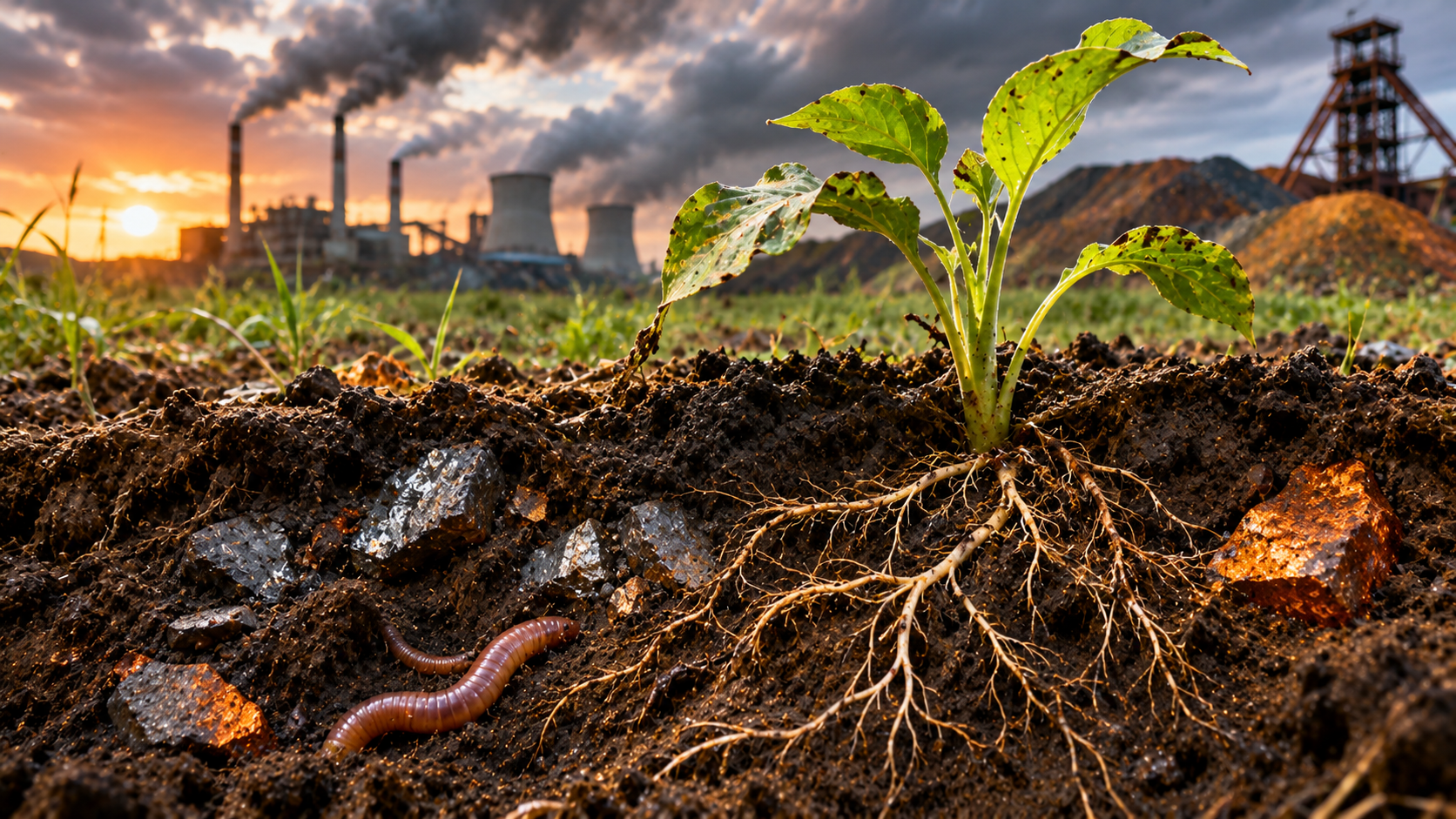
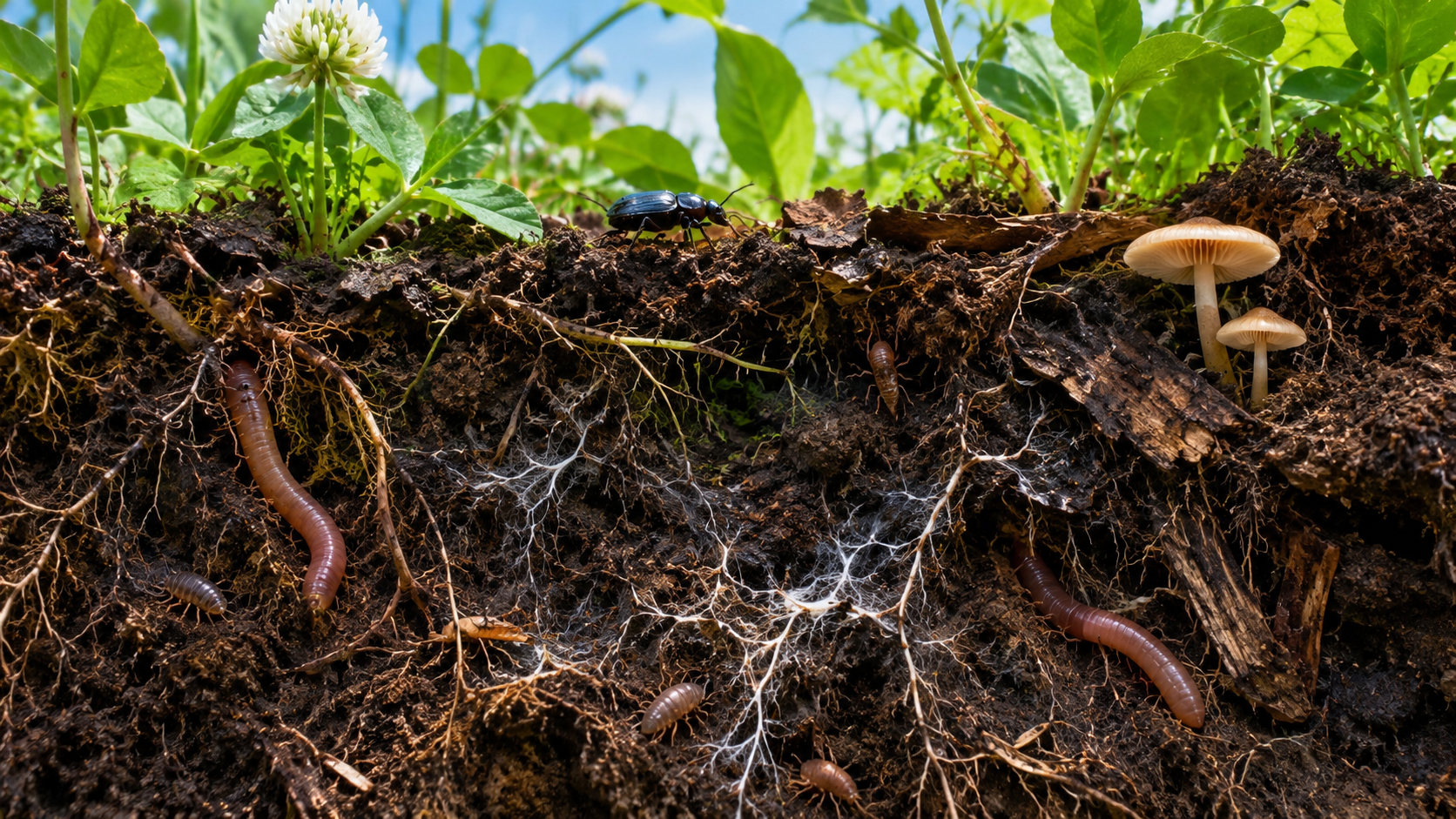
A piece of land can look perfectly healthy on the surface. Grass grows, trees flourish and wildlife appears undisturbed. Yet beneath that surface, the soil may contain elevated concentrations of lead, cadmium, arsenic, mercury or other potentially harmful elements.
Unlike many organic pollutants, metals do not break down into harmless substances through natural biological processes. They are elements. They can change chemical form, bind to soil particles, move into water or become available to plants and other organisms, but they do not disappear.
This makes heavy metal contamination particularly challenging. Pollution released years ago can remain an environmental concern long after the factory has closed, the mine has been abandoned or the waste has been removed and it raises an important question. How much of the pollution we associate with industrial activity is still sitting beneath our feet?
What are heavy metals and where do they come from?
The term heavy metals is widely used to describe a group of metallic elements associated with environmental contamination. The term is not a precise scientific classification and some elements commonly included in this discussion, such as arsenic, are technically metalloids.
The elements of particular concern in contaminated soils include lead, cadmium, mercury, arsenic, chromium and nickel. Copper and zinc can also cause problems when concentrations become excessive.
It is important to recognise that not all these elements are harmful at every concentration. Some, including copper and zinc, are essential micronutrients required by plants and other organisms in small quantities. The problem arises when concentrations become excessive or when an element is present in a chemical form that makes it more available to living organisms.There are several routes through which these substances enter the soil.
Industry and manufacturing
Industrial activity has been a major source of soil contamination, particularly in areas with a long history of manufacturing, metal processing and chemical production. Smelting, metal plating, battery manufacture, steel production, chemical processing and other industrial operations can release metal-containing dust, wastewater and residues.
These substances may settle directly onto surrounding land, enter the soil through spills or leaks, or be carried through drainage systems and deposited elsewhere. Older industrial sites can be particularly challenging because pollution may have accumulated over many years, when environmental controls and understanding of contamination were less developed.
Mining and mineral processing
Mining can create substantial quantities of waste material containing metals and other potentially harmful substances. Excavation exposes minerals that would otherwise remain underground. When these materials are brought to the surface, weathering and oxidation can release metals into surrounding soil and water.
Waste rock, mine tailings and contaminated drainage can all contribute to pollution beyond the immediate mining area. Wind and water can transport contaminated particles over considerable distances, spreading the problem into agricultural land, rivers and natural habitats. Even after a mine closes, the environmental consequences can continue.
Transport and urban pollution
Road traffic has also contributed to the accumulation of metals in soil. Historically, leaded petrol was a significant source of lead contamination, with residues deposited alongside roads over many decades. Although leaded petrol has been phased out for road vehicles in most countries, its legacy remains in some roadside soils.
Modern traffic can still contribute to metal pollution through brake and tyre wear, vehicle components, road surface deterioration and the movement of contaminated dust. Run-off from roads and transport infrastructure can carry pollutants into roadside verges, drainage channels and nearby land.
This is one reason why soil contamination is not confined to industrial areas. Urban parks, gardens, allotments and land close to busy roads can also require consideration where previous land use or environmental conditions indicate a potential risk.
Waste disposal and historic land use
Landfills, waste treatment facilities and poorly managed industrial disposal sites can introduce metals into soil through leaking materials, contaminated liquids and deposited waste.
Historic activities are particularly important. Former gasworks, foundries, factories, refineries, mines and waste disposal sites can leave behind contamination that remains long after the original operation has disappeared.
The land may have changed hands several times. Buildings may have been demolished and new developments constructed, but unless the contamination has been properly assessed and managed, the underlying problem may remain.
Why doesn't heavy metal pollution disappear?
One of the most difficult characteristics of metal contamination is its persistence. Organic materials, such as some oils and pesticides, can be broken down by microorganisms over time, although the process depends on the substance and environmental conditions. Metals are different. They cannot be biodegraded.
Once they enter the soil, they may attach to clay particles and organic matter, become incorporated into soil aggregates or remain dissolved in the water surrounding soil particles. Their behaviour depends on the particular element and the chemical and physical conditions of the soil.
Soil pH is especially important. Changes in acidity can influence how readily certain metals dissolve and become available for uptake by plants. Cadmium, for example, can become more available under acidic conditions. Organic matter can bind some metals and reduce their immediate availability, although this relationship is complex and varies between elements and soil conditions.
The important distinction is between the total amount of a metal in the soil and the fraction that is biologically available. A soil test may identify an elevated concentration, but understanding the potential risk requires looking at how that metal behaves in the particular environment.
This is why contaminated land assessments involve more than identifying the presence of a substance. They must consider its concentration, chemical form, location and potential routes of exposure.
What happens to the living organisms in contaminated soil?
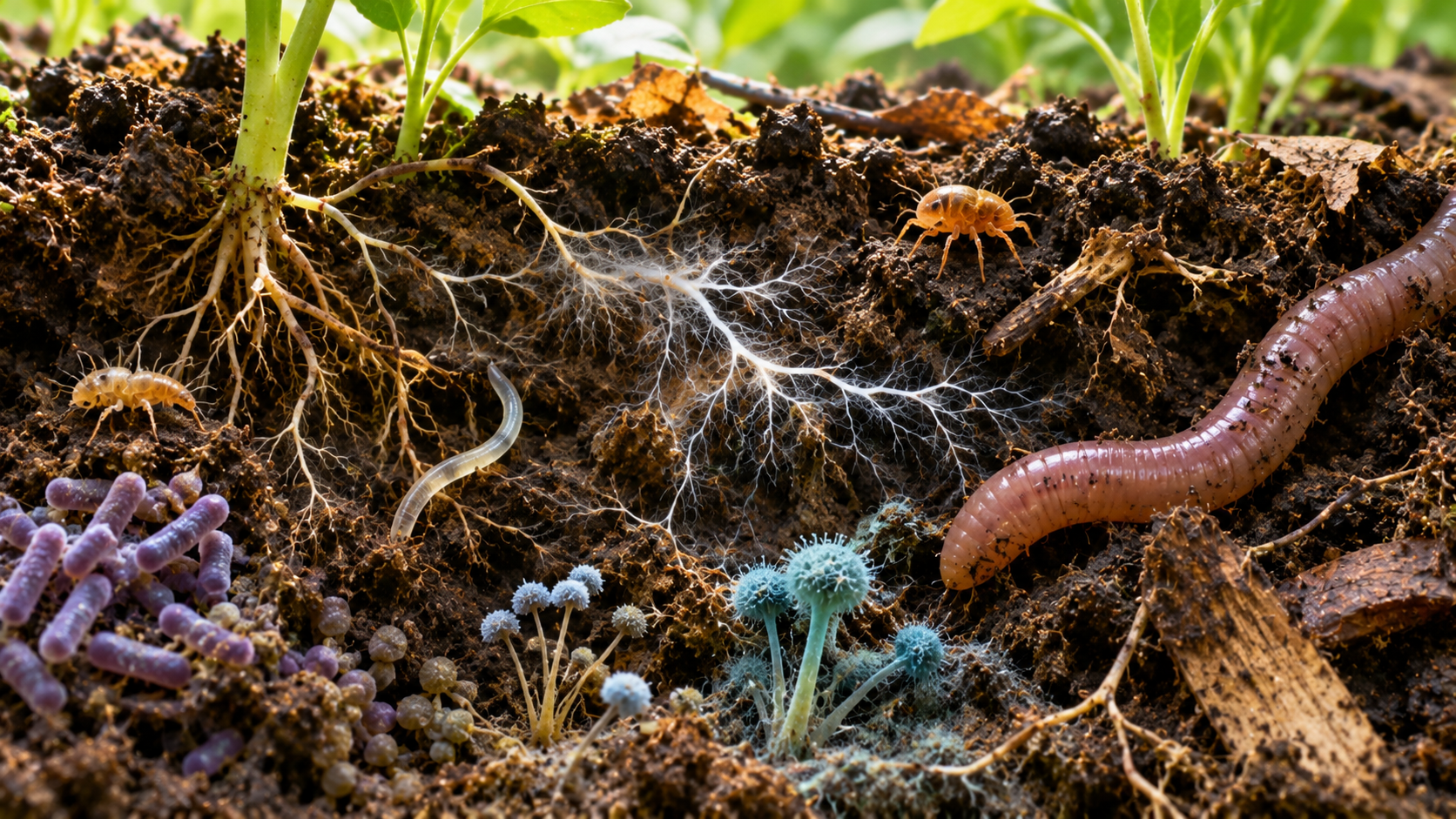
Soil is a living ecosystem. Its health depends on the relationships between bacteria, fungi, earthworms, nematodes and countless other organisms that help maintain the natural processes on which plants and wider ecosystems depend. Heavy metal contamination can interfere with these relationships.
At sufficiently high concentrations, metals can affect the growth, reproduction and survival of soil microorganisms. Some bacteria and fungi are more tolerant than others, meaning contamination can alter the composition and diversity of the microbial community.
This matters because microorganisms are responsible for many essential soil functions. They break down organic matter, help release nutrients and contribute to processes such as nitrogen cycling. If their activity is disrupted, the consequences can extend beyond the organisms themselves.
Earthworms can also be affected. They ingest soil and organic material, potentially absorbing metals into their tissues. Their exposure can influence growth, reproduction and survival, depending on the metal, concentration and conditions.
Because earthworms help incorporate organic matter, create channels and maintain soil structure, changes in their populations can affect the wider soil ecosystem. Other invertebrates may also be exposed through feeding and contact with contaminated soil.
Can heavy metals enter the food chain?
One of the most significant concerns surrounding contaminated soil is the possibility that metals can move from the ground into plants, animals and eventually people. Plants absorb water and nutrients through their roots. Depending on the element, its chemical form, the soil conditions and the type of plant, they may also take up potentially harmful metals.
Some metals accumulate more readily in particular plant tissues than others. Cadmium, for example, can be absorbed by roots and transported into leaves and seeds. Lead is often retained more strongly in roots, although contaminated soil and dust can also settle on the surfaces of edible crops. If contaminated plants are eaten by livestock or wildlife, metals can be transferred to animals. People may then be exposed through food produced on affected land.
The extent of this transfer varies considerably. Not every metal moves easily through every plant, and not every contaminated soil produces contaminated food. But the pathway is well established and is an important consideration when assessing agricultural land.
There are also other routes of exposure. Contaminated soil can become airborne as dust, particularly during dry weather or ground disturbance. People may inhale contaminated particles or accidentally ingest soil through hand-to-mouth contact. Metals can also move through the soil into groundwater or surface water under certain conditions. This is why contamination cannot be treated as an isolated problem affecting only the land where it originates.
Why some contaminated land looks perfectly healthy
Perhaps one of the most misleading aspects of heavy metal pollution is that there may be no obvious visual evidence of its presence. Grass can grow in contaminated soil. Trees can establish themselves. Flowers can bloom and insects can be present. The absence of visible damage does not prove that the soil is free from contamination.
Equally, the presence of a metal does not automatically mean that land is unsafe. Many elements occur naturally in soil as a result of the underlying geology. Some areas therefore have higher natural background concentrations than others.
The challenge is distinguishing between natural levels and concentrations increased by human activity, then understanding whether the resulting conditions present a risk. This requires proper investigation and laboratory analysis.
In England, the government recommends a risk-based approach to contaminated land. Assessments consider the source of contamination, the pathway through which exposure could occur and the people, animals, plants or water resources that might be affected.
For example, a contaminated industrial site may present a different risk depending on whether it is used for commercial buildings, public open space, housing or food production.
Can contaminated soil be cleaned up?
The good news is that contaminated land does not always have to remain unusable. There are several approaches to managing heavy metal contamination, but the appropriate solution depends on the substances involved, their concentrations, the soil conditions and the intended future use of the land.
One option is excavation and removal. Contaminated soil can be dug out and taken to an appropriately licensed facility for treatment or disposal. This can be effective, particularly where contamination is concentrated in a relatively small area, but it can be expensive and involves transporting large quantities of material.
Another approach is containment. This involves isolating contaminated soil to prevent people, plants or water resources coming into contact with it. Capping a site with suitable clean material or installing barriers can reduce exposure, although the contamination remains in place and requires appropriate long-term management. There are also approaches that work with the soil itself.
Phytoremediation – can plants help clean contaminated soil?
Phytoremediation uses plants to help manage contaminated land. Certain plant species can take up particular metals through their roots and accumulate them in their tissues. The contaminated plant material can then be harvested and managed appropriately. Other plants can help stabilise metals within the soil, reducing their movement and limiting exposure. This is sometimes referred to as phytostabilisation.
However, these techniques are not universal solutions. They can be slow, depend on the metal and plant species involved, and require careful management of contaminated vegetation after harvesting.
Using soil microorganisms
Researchers are also investigating how bacteria and fungi can help manage metal contamination. Some microorganisms can influence the chemical form and mobility of metals, potentially reducing their availability to plants or helping immobilise them within the soil. This is an area of continuing research, and the effectiveness of biological approaches depends on the contaminant, the soil environment and the organisms involved.
It is important to recognise that changing the chemical behaviour of a metal does not remove it. Immobilisation may reduce exposure, but the metal remains present and may become mobile again if soil conditions change. The most appropriate remediation strategy is therefore one that addresses the actual risks rather than relying on a single treatment.
Prevention is better than remediation
Cleaning up contaminated land can be difficult, time-consuming and expensive. In some cases, the environmental legacy of industrial activity can continue long after the original source has disappeared. That makes prevention particularly important.
Industrial operators need effective controls to prevent spills, leaks and uncontrolled emissions. Mining operations must manage waste materials and contaminated drainage responsibly. Waste facilities require appropriate containment and monitoring.
Agricultural practices also deserve attention. Some phosphate fertilisers can contain cadmium, while certain waste-derived materials used on land may introduce metals if they are not properly controlled and tested.
Transport infrastructure also needs to consider contaminated run-off and the gradual accumulation of pollutants alongside roads.
For developers and construction professionals, understanding the history of a site is an essential part of responsible land use. A former industrial site may offer an opportunity for regeneration, but the ground beneath it needs to be properly investigated before redevelopment begins. There is no value in creating attractive new buildings, public spaces or homes if the environmental conditions beneath them have not been properly understood.
The pollution we leave behind
Heavy metal contamination is a reminder that the environmental consequences of human activity do not always disappear when the activity itself ends. A factory can close. A mine can be abandoned. A landfill can be capped. A road can be replaced. Yet the substances released during those activities may remain in the ground, affecting soil organisms, plants and water resources for generations. This is why soil protection needs to be part of every conversation about environmental responsibility.
We often talk about air pollution because we can see its effects in the atmosphere. We discuss water pollution because contaminants can be carried into rivers and seas, but soil pollution is less visible, and that can make it easier to overlook.
The ground beneath us is not an unlimited dumping place. It is a living system with a finite capacity to retain, transform and contain pollutants. Once that capacity is exceeded, contamination can spread through the wider environment.
We need to understand where pollution comes from, how it behaves and what can be done to prevent it entering the soil in the first place. We also need to recognise the importance of investigating land before it is reused, redeveloped or returned to food production.
Because pollution does not have to be visible to be dangerous. Sometimes, the greatest environmental legacy is the one we cannot see – the contamination that remains beneath our feet, quietly affecting the soil on which so much of life depends.
Frequently Asked Questions About Heavy Metals in Soil
1. What are the most common heavy metals found in contaminated soil?
Common contaminants include lead, cadmium, arsenic, mercury, chromium and nickel. Copper and zinc can also become harmful when concentrations are excessive. Some occur naturally in soil, while others accumulate through industrial activity, mining, transport and waste disposal.
2. How does industrial pollution contaminate soil?
Industrial pollution can introduce metals into soil through chemical spills, leaking storage facilities, contaminated wastewater, atmospheric emissions and deposited dust. Manufacturing processes such as metal processing, smelting and battery production can all contribute to contamination.
3. Can heavy metals remain in soil for decades?
Yes. Unlike many organic pollutants, metals cannot be broken down by microorganisms. They can remain in soil for decades or longer, although their chemical form, mobility and availability to plants and organisms may change over time.
4. How do heavy metals affect soil microorganisms?
Elevated concentrations of certain metals can affect the growth, activity and survival of soil bacteria and fungi. This can alter microbial diversity and interfere with important processes such as organic matter decomposition and nutrient cycling.
5. Can heavy metals in soil affect earthworms?
Yes. Earthworms can ingest contaminated soil and organic material, potentially accumulating metals in their tissues. Depending on the metal and level of exposure, this can affect their growth, reproduction and survival, with possible consequences for soil structure and biological activity.
6. Can vegetables absorb heavy metals from contaminated soil?
Yes. Some plants can absorb metals through their roots and transport them into their leaves, stems, fruits or seeds. The amount taken up depends on the plant species, the type of metal, its concentration and its availability in the soil.
7. Is soil contaminated with heavy metals always dangerous?
Not necessarily. Some metals occur naturally in soil, and their presence does not automatically indicate a health risk. The potential danger depends on the concentration, chemical form, availability, exposure route and intended use of the land. Professional assessment is needed to establish whether contamination presents an unacceptable risk.
8. How can you tell if soil contains heavy metals?
Heavy metal contamination cannot reliably be identified by appearance, smell or the condition of vegetation. Laboratory testing is needed to measure concentrations of individual elements. A contaminated land assessment can then establish whether further investigation or action is required.
9. Can plants remove heavy metals from contaminated soil?
Certain plants can absorb particular metals through a process known as phytoremediation. Some accumulate metals in their tissues, which can then be harvested and managed appropriately. Others help stabilise contaminants in the soil. These methods can be useful, but they are often slow and their effectiveness depends on the metal, plant species and soil conditions.
10. How can we prevent heavy metal pollution in soil?
Prevention involves controlling industrial emissions, preventing chemical spills, managing mining and waste responsibly, testing materials applied to agricultural land and monitoring potentially contaminated sites. Investigating historic land use before development is also important for identifying pollution before it creates risks for people and the environment.