SoilMatters.world
The SoilMatters Knowledge Hub
Understanding soil. Sharing knowledge. Inspiring action.
The SoilMatters Knowledge Hub brings together information, expert insight and practical guidance to help people understand the world beneath their feet. Whether you are a soil scientist, farmer, landowner, environmental professional, construction specialist, student or simply someone who cares about the environment, this is a place to explore the issues shaping the future of soil health.
Discover how soil functions as a living ecosystem, why biodiversity matters, what causes erosion and compaction, and how contamination and degradation threaten the land on which we depend. Explore the relationship between soil, water and drought, learn about the pressures created by human activity and discover practical approaches to protecting and restoring this essential resource.
Our articles examine the science, explain the challenges and highlight the solutions. We aim to make complex subjects accessible without losing the detail and evidence needed to understand them properly.
The Knowledge Hub will continue to grow, bringing together contributions from scientists, researchers, businesses, organisations and people working to improve soil health around the world. Because better decisions start with better understanding.
Understanding the Extraordinary World Beneath Our Feet
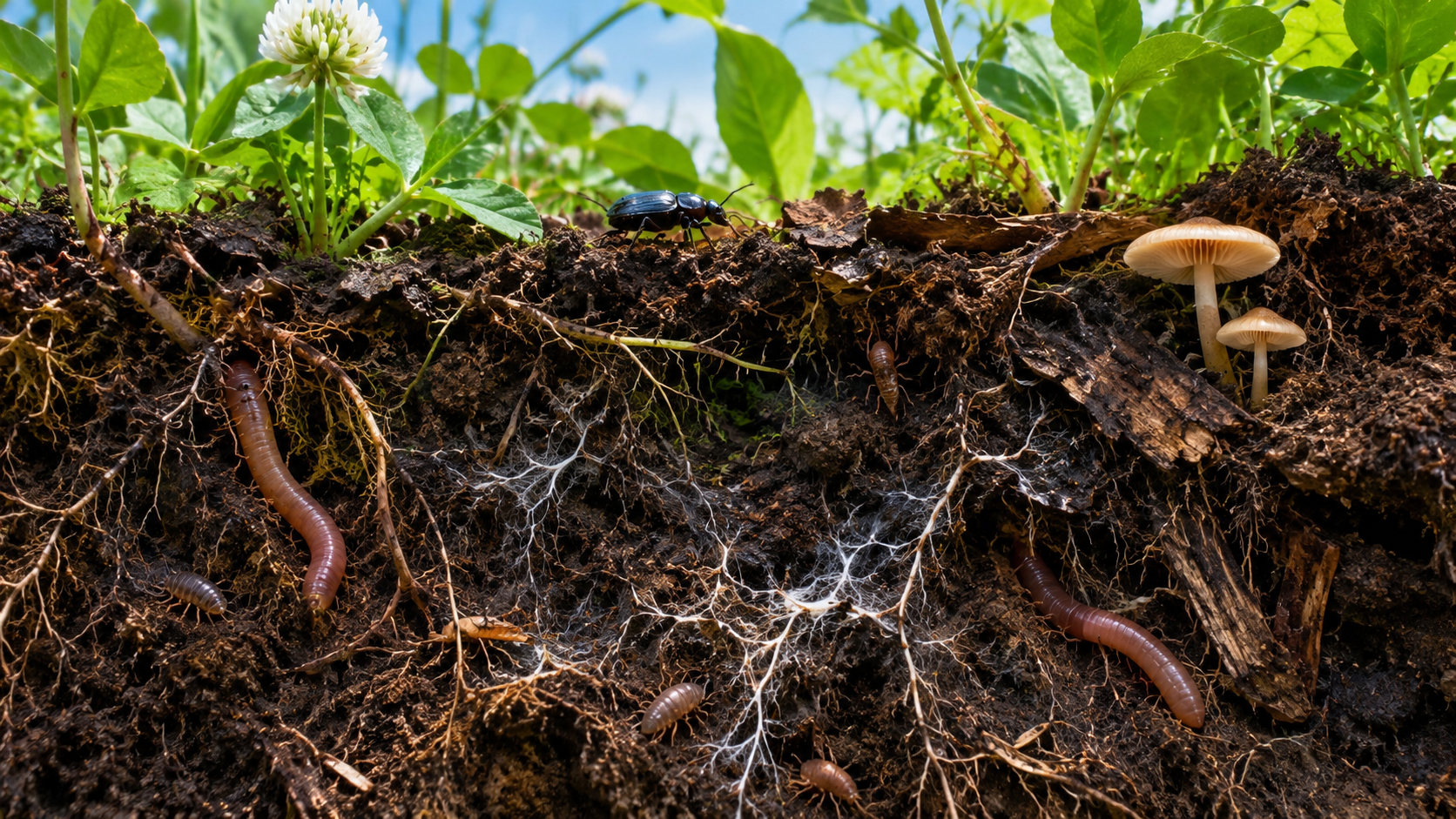
We walk on it, build on it, grow our food in it and depend on it for life. Yet soil is far more than the ground beneath our feet. It is a living, breathing ecosystem, home to an extraordinary community of organisms whose activities help sustain the natural world. Understanding what happens beneath the surface is the first step towards protecting one of our most valuable resources.
Read article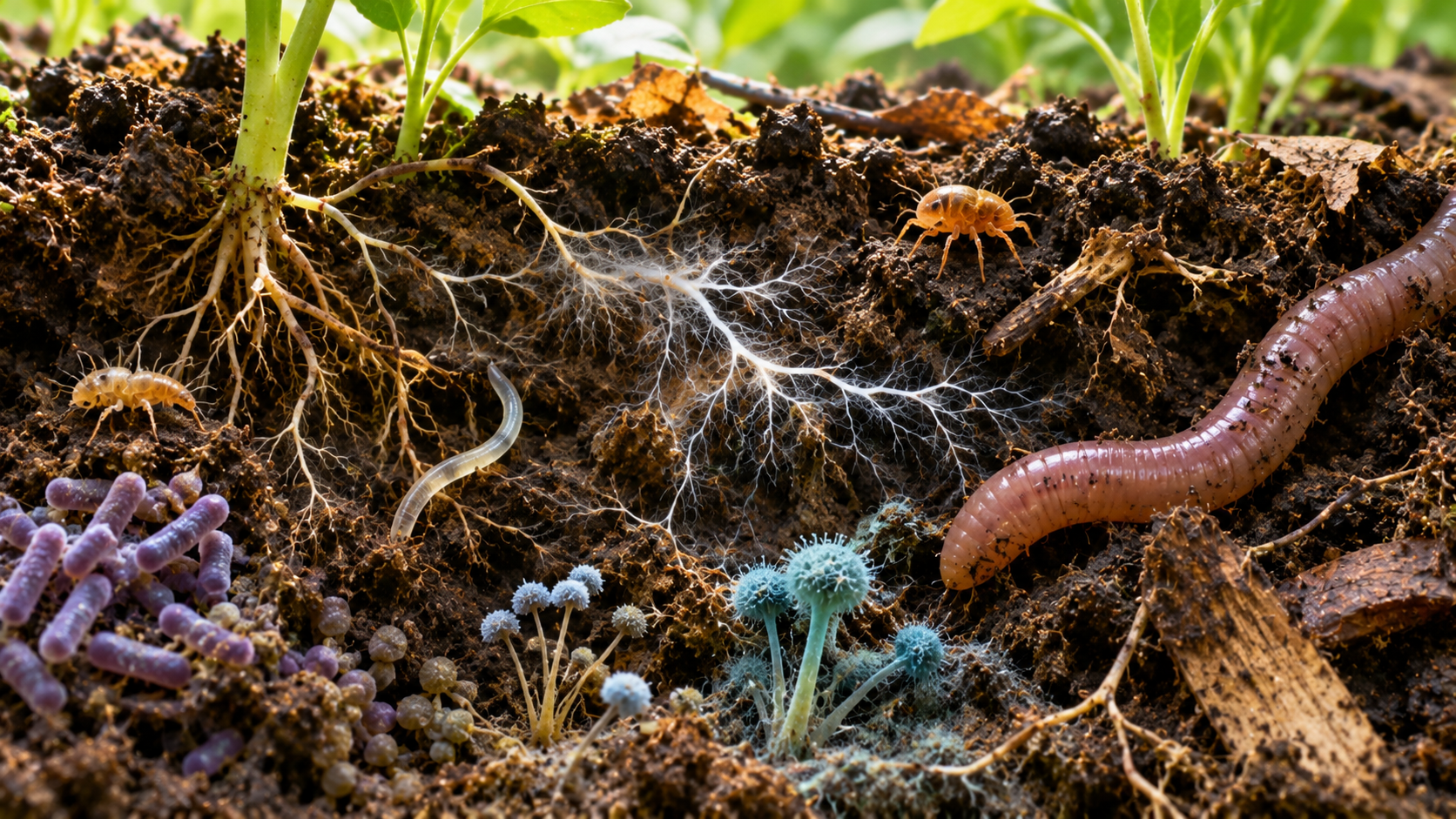
The Hidden Universe in a Handful of Soil
Take a handful of soil and look at it closely. You might see grains of sand, fragments of leaves, tiny roots and perhaps an earthworm. What you cannot see is the extraordinary population of organisms living within it. Millions of microscopic bacteria, networks of fungal threads, tiny nematodes and countless other creatures may occupy that small amount of earth.
Read article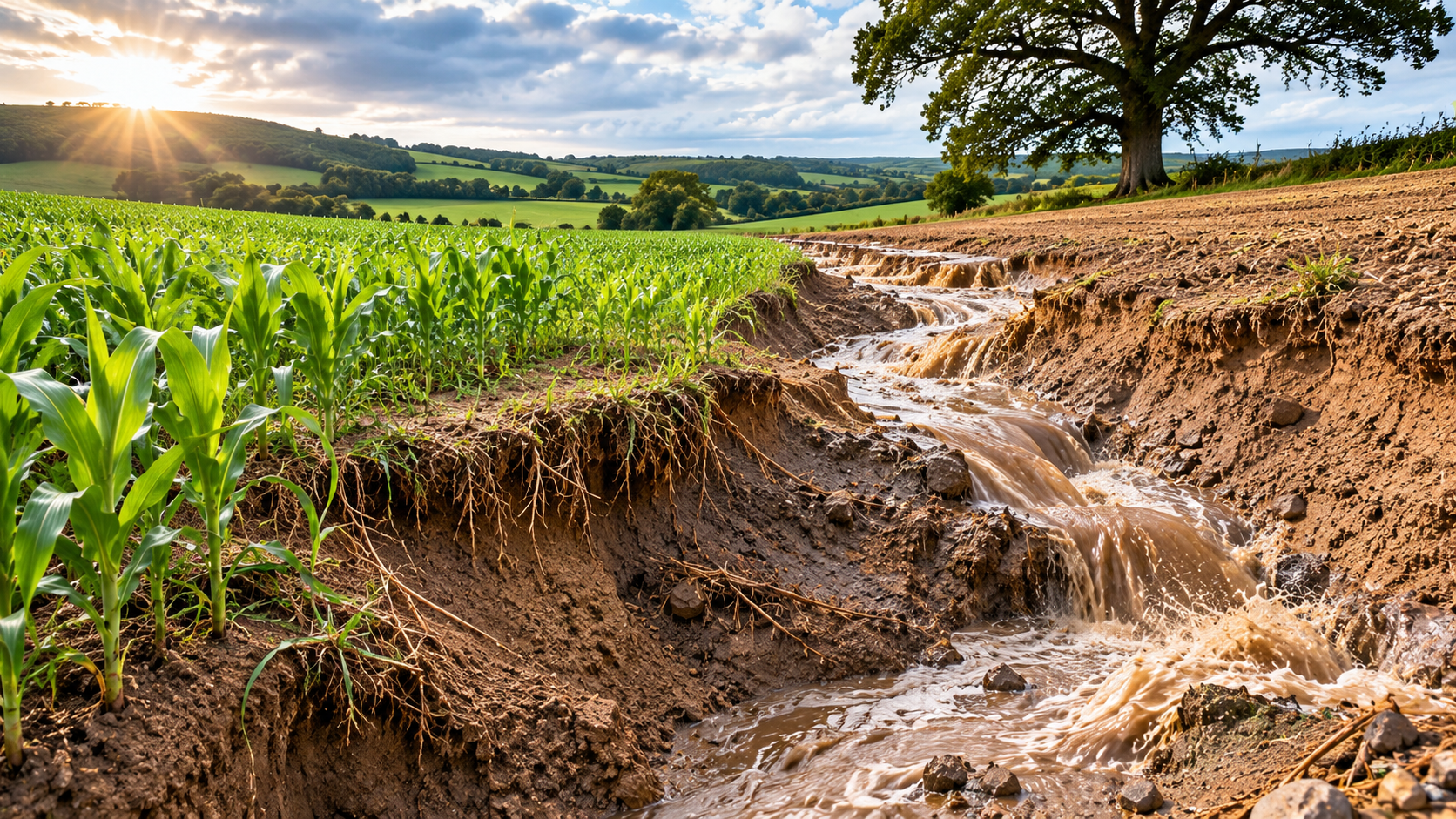
Soil Erosion and the Disappearing Foundation of Our Food Supply
Soil erosion is one of the most serious threats to the land on which we depend. Every time rain washes fertile earth from a field or wind carries fine particles into the atmosphere, a valuable natural resource is being displaced. The damage can be difficult to recognise at first. A field may still appear productive, crops may continue to grow and the landscape may look much as it always has. Beneath the surface, however, the foundations of that productivity can be disappearing.
Read article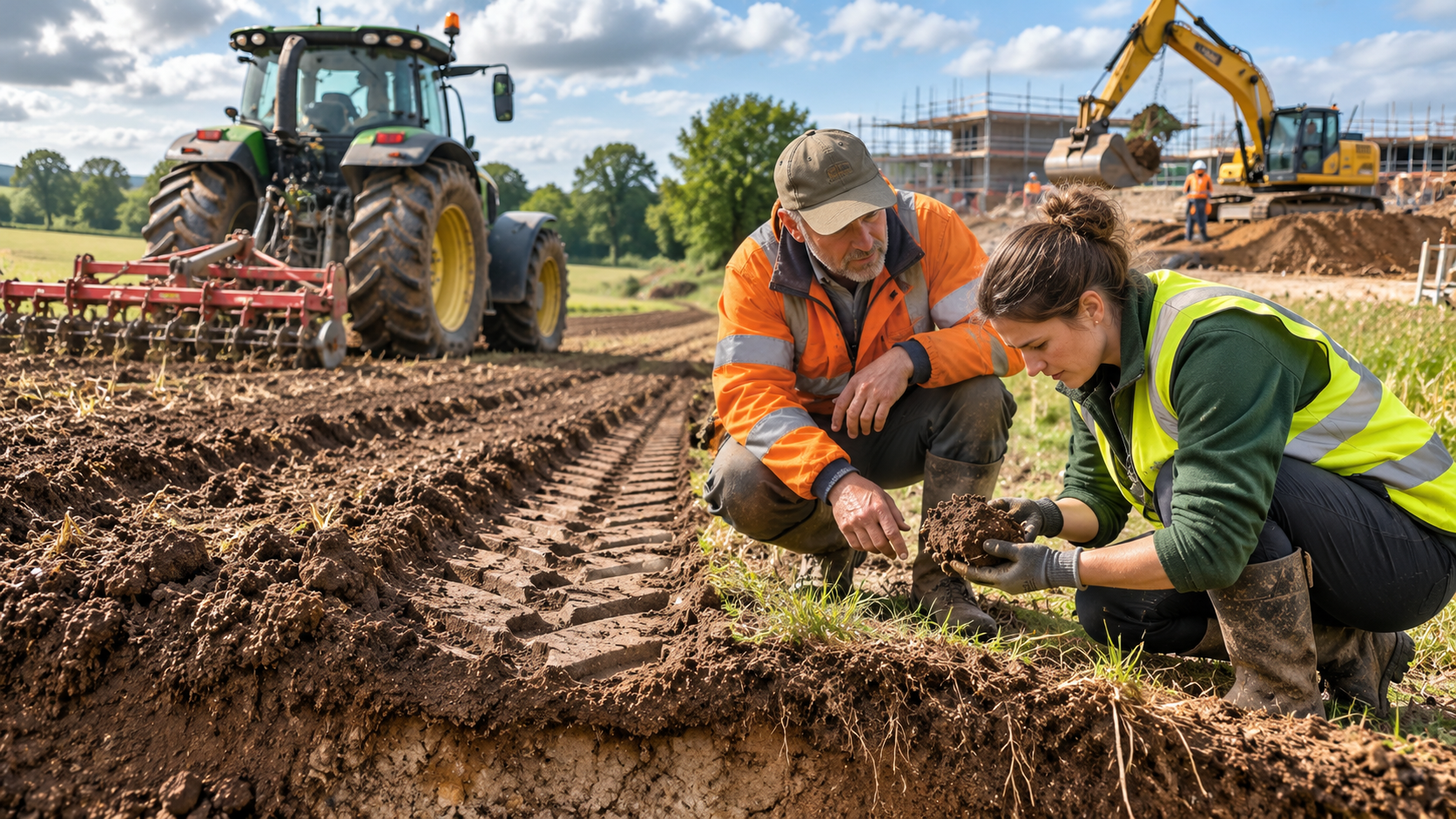
Soil Compaction and the Hidden Damage Beneath Our Feet
Soil compaction is one of the less visible forms of land degradation. Unlike erosion, which can leave obvious channels and exposed roots, compaction can develop without dramatic signs on the surface. Its consequences, however, can be substantial. It affects how water drains, how air moves through the ground and whether plant roots can penetrate the soil.
Read article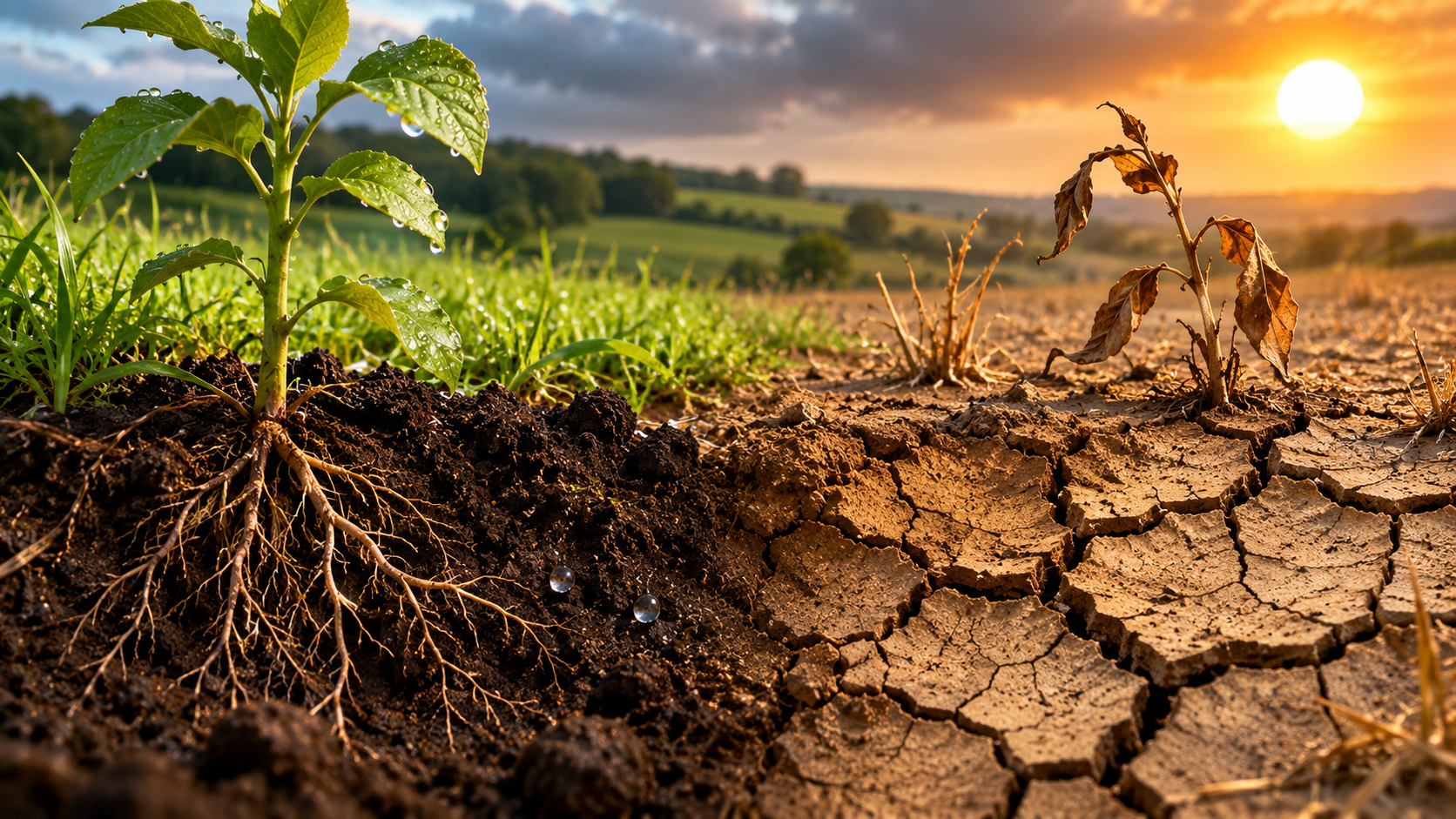
The Growing Threat of Degradation and Drought When Soil Dries Out
Drought is often discussed in terms of rainfall shortages, rising temperatures and pressure on water supplies. These are important factors, but there is another part of the equation that receives less attention – and that is the condition of the soil itself.
Read article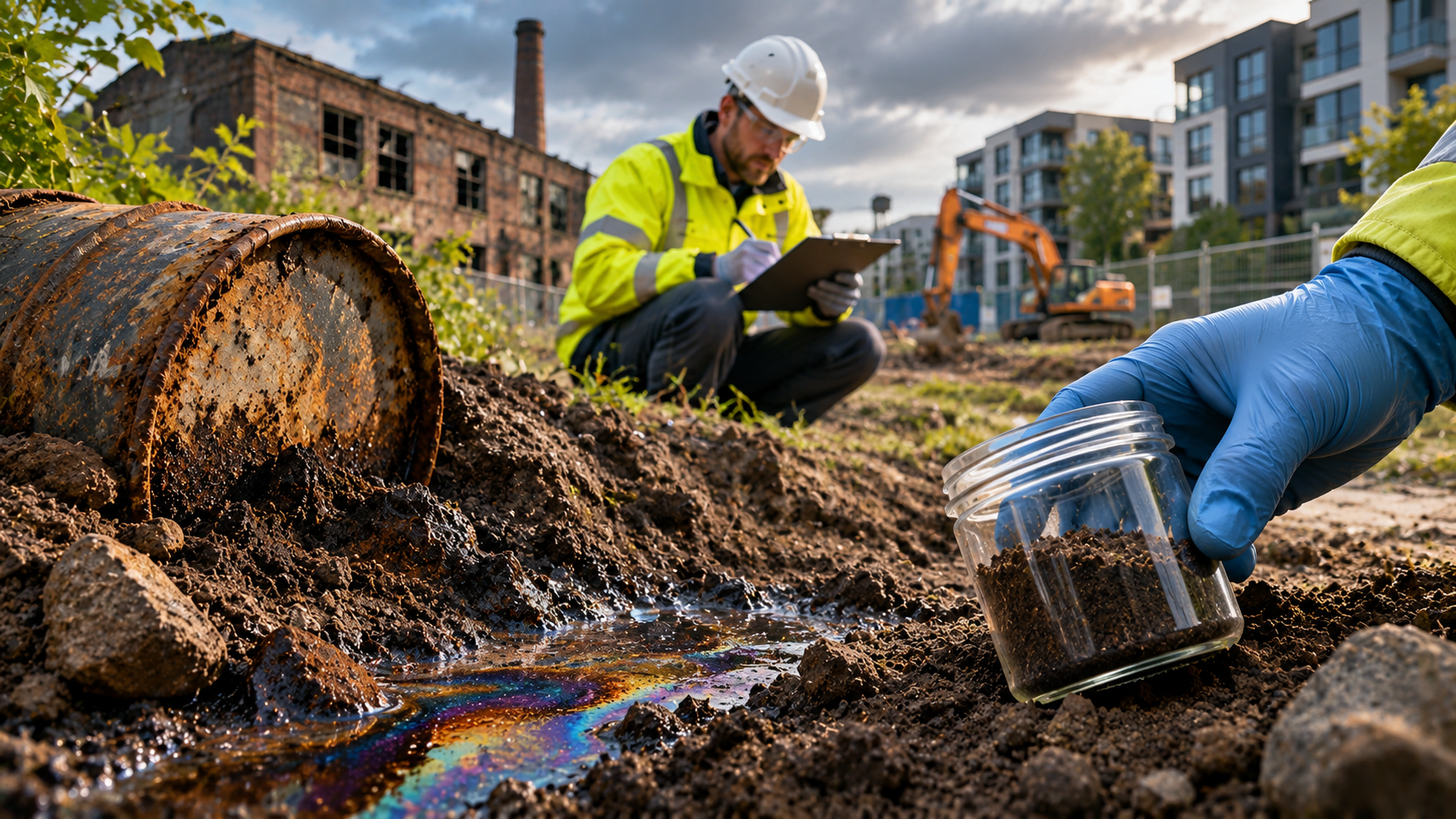
What Happens When Soil Becomes Contaminated?
The ground beneath a former factory, an agricultural field or a proposed housing development may look much like any other piece of land. Its surface may support vegetation, accommodate machinery or appear suitable for construction, but beneath it, substances left behind by previous activities can present a very different picture.
Read article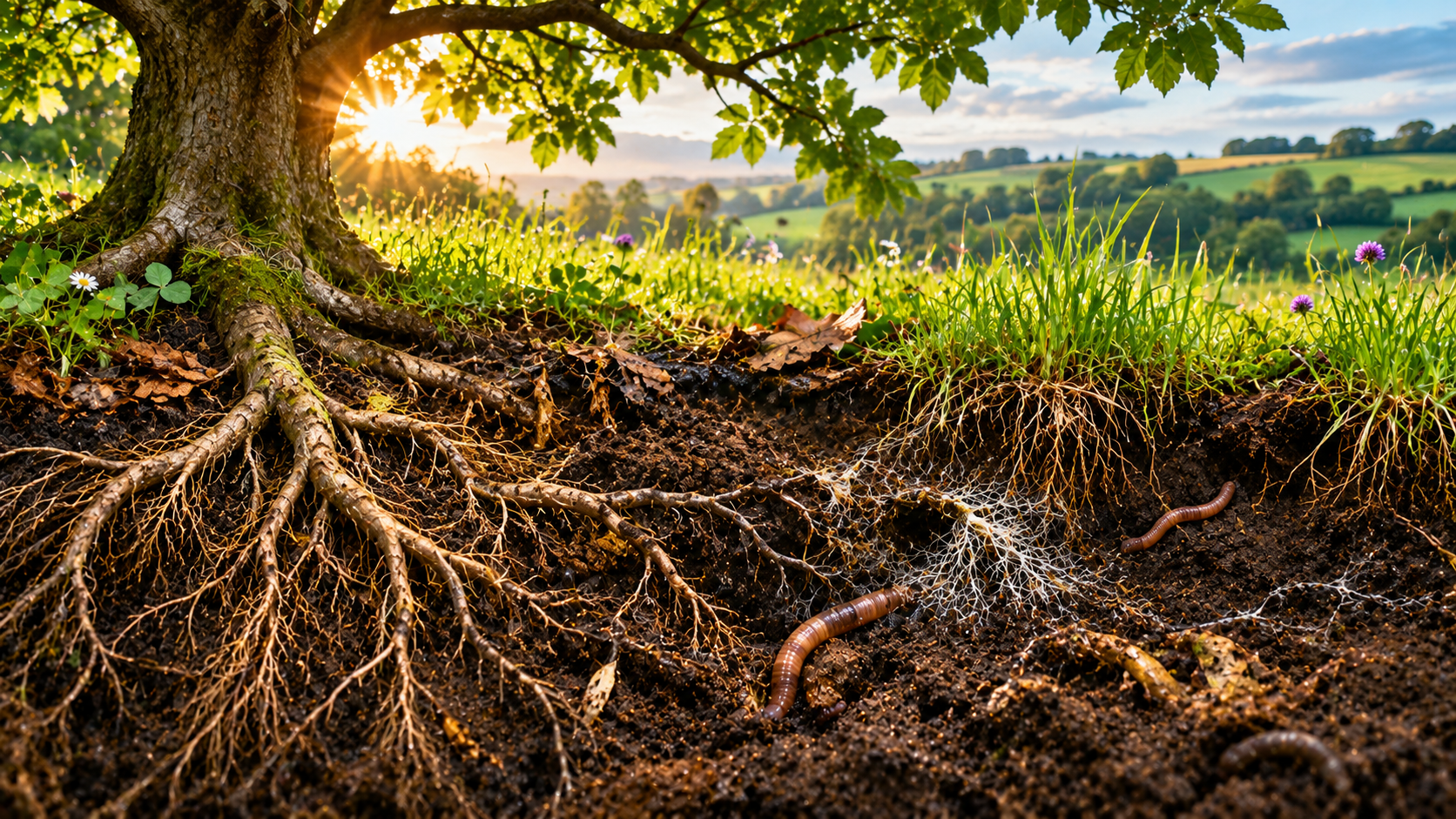
The Carbon Beneath Our Feet and Its Role in Tackling Climate Change
Soil is one of the planet’s greatest natural carbon stores, but the way we farm, build, manage landscapes and restore damaged land can determine whether that carbon stays safely underground or escapes into the atmosphere. It is the carbon store we rarely think about.
Read article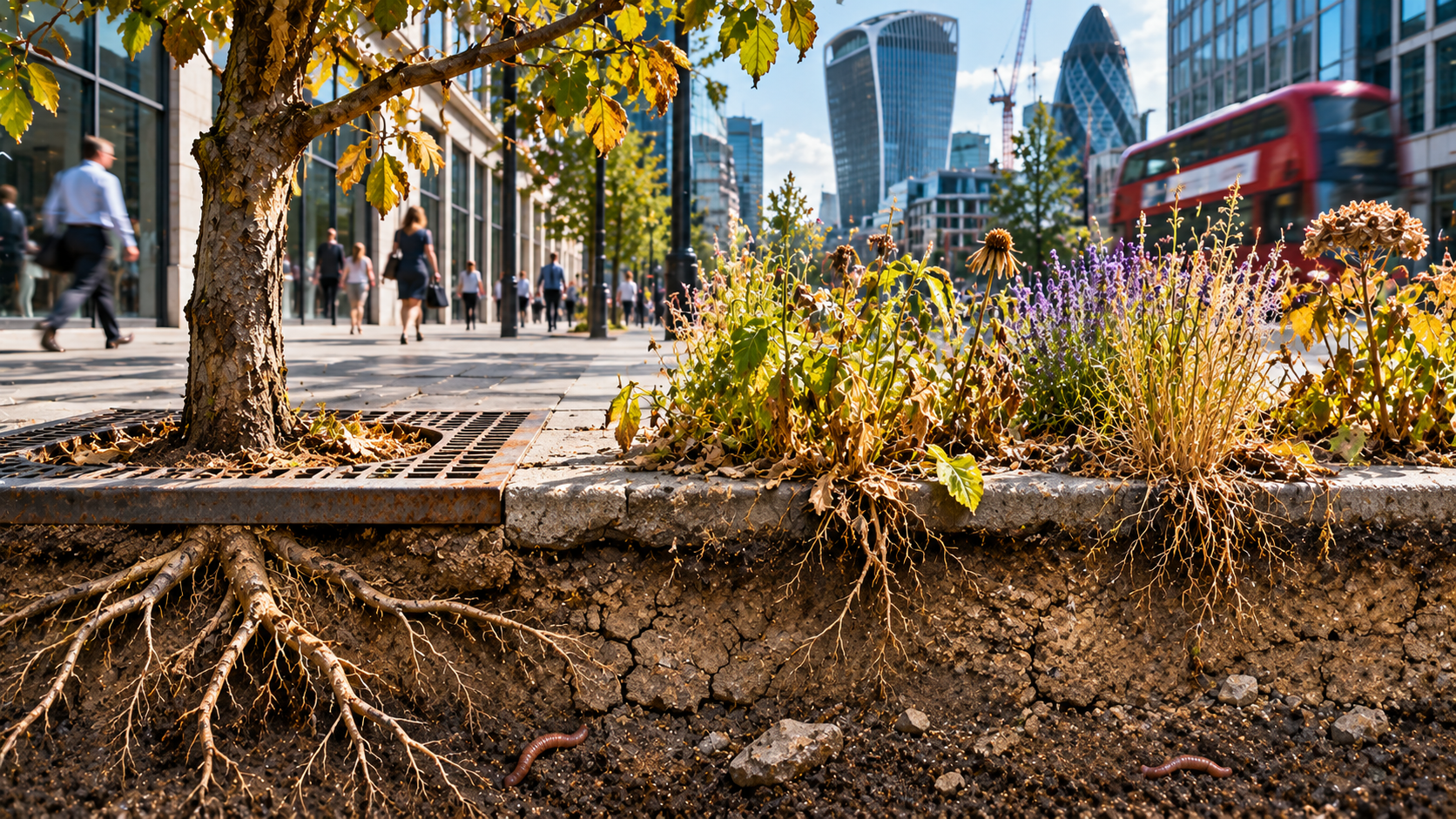
Why Cities Need Healthy Soil as Much as Farms Do
A city is often defined by its buildings, roads, transport networks and public spaces, but beneath the pavements, parks, gardens and roadside trees lies another essential part of the urban environment - soil. It is easy to overlook. In many places, it has been covered, compacted, excavated or buried beneath layers of construction material. Where it remains exposed, it may be treated as little more than something to plant a tree in or cover with grass – and that is a mistake.
Read article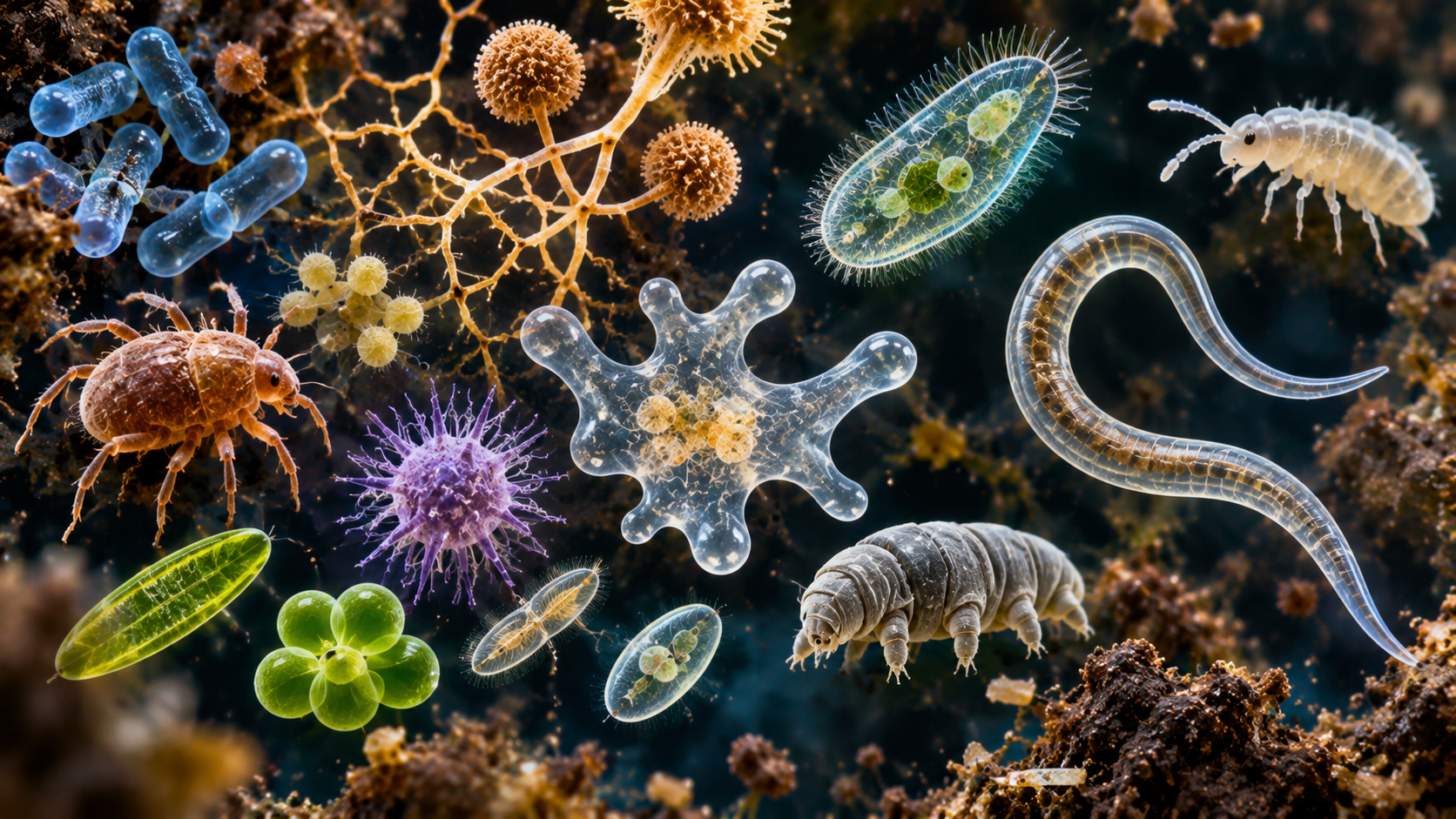
The Soil Food Web Explained or Who Eats Whom Beneath Our Feet?
Beneath our feet, an extraordinary world is constantly at work. Bacteria, fungi, microscopic organisms, mites, springtails and earthworms are connected through an intricate network of feeding relationships that keeps soil alive. This is the soil food web and understanding how it works helps explain why healthy soil is about far more than the ground we grow things in.
Read article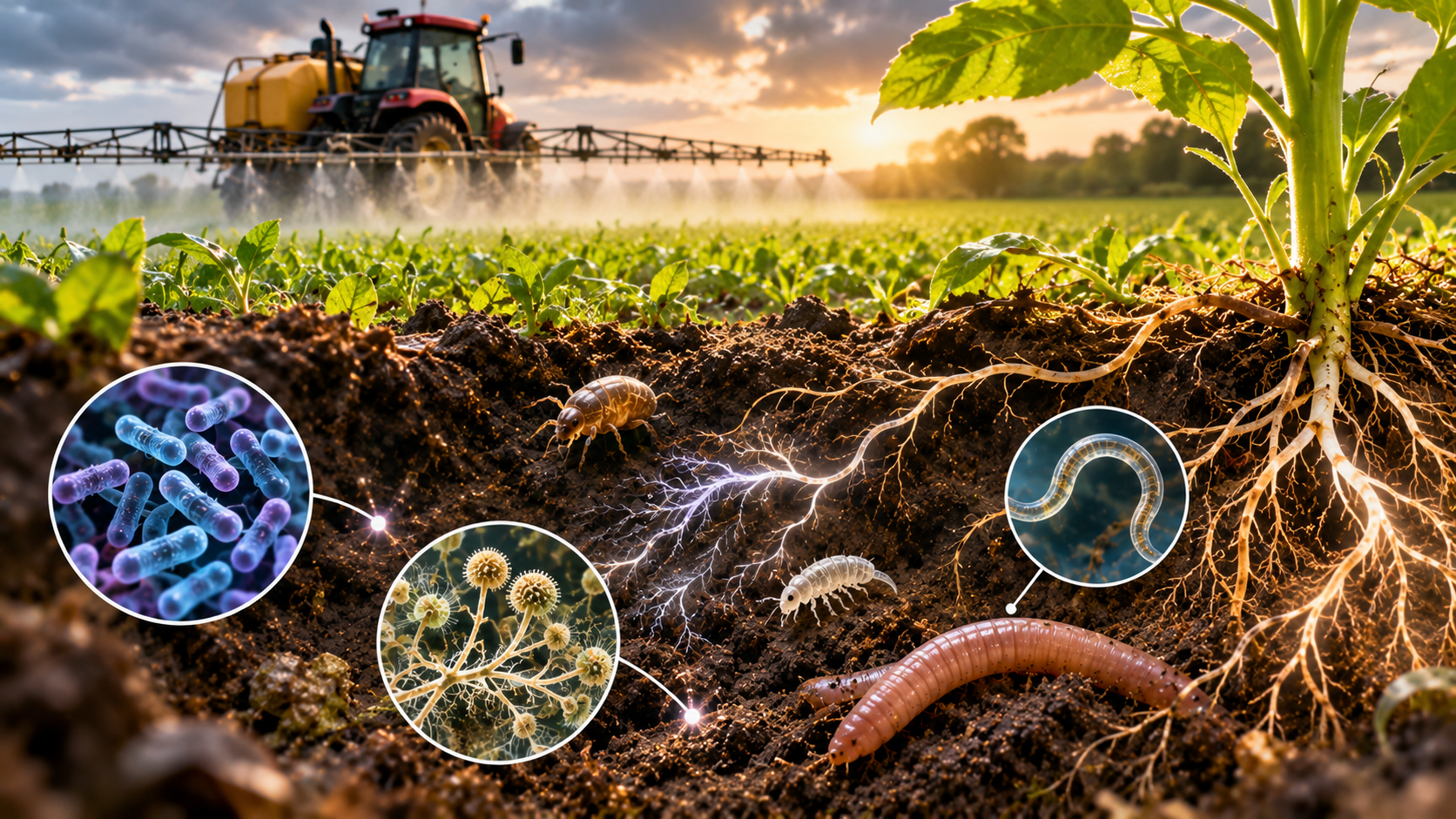
What Happens to Soil When We Use Pesticides?
Pesticides are designed to protect crops, control weeds and tackle unwanted pests, but once they enter the environment, their effects can extend beyond the organisms they are intended to target. Beneath the surface, where billions of microorganisms and other living creatures help keep soil healthy, some pesticides can disrupt relationships that are essential to the natural world. The question is not just what a pesticide kills, but what else it might affect along the way.
Read article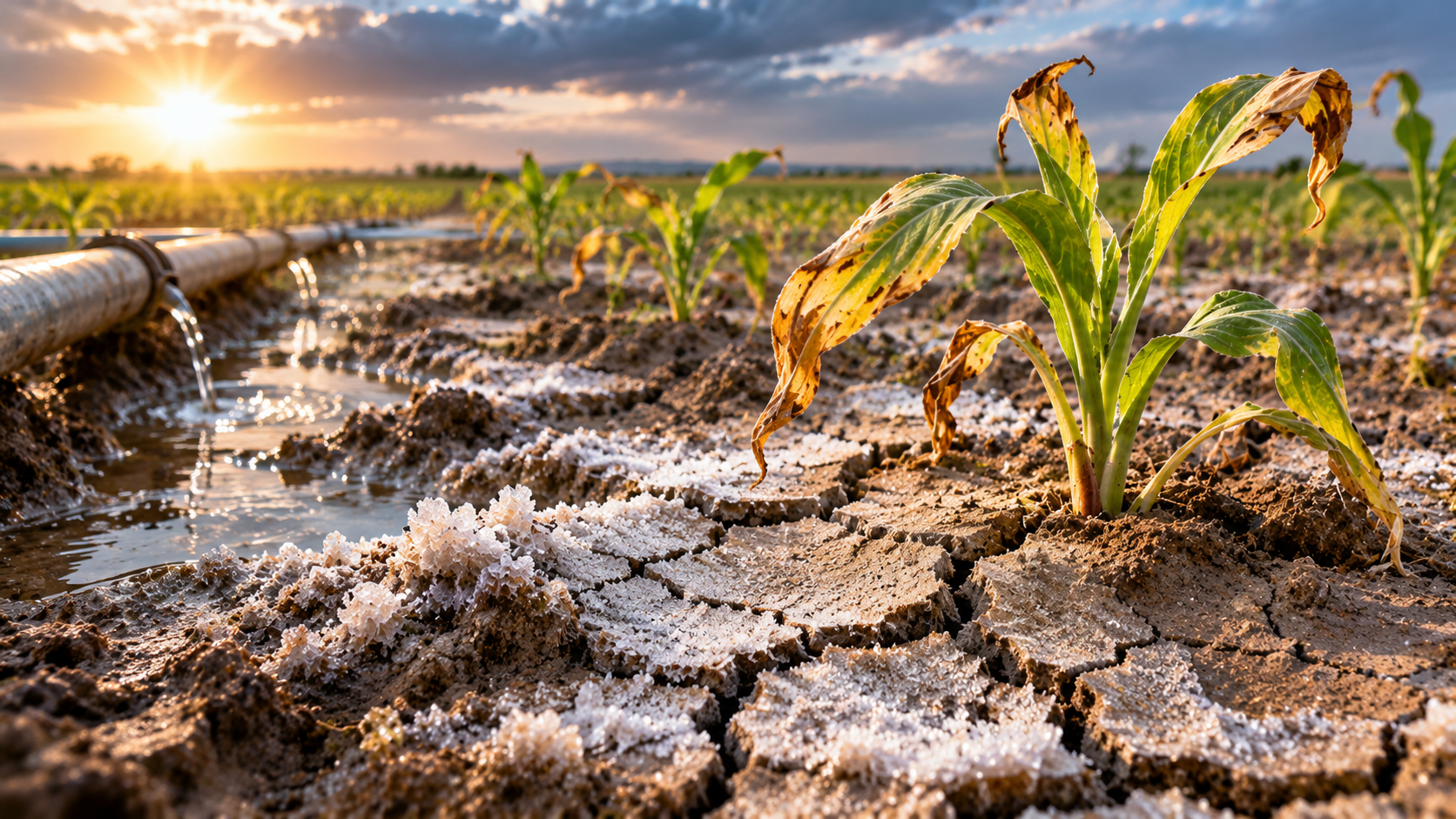
The Hidden Problem of Soil Salinity - When the Ground Becomes Too Salty
We tend to think of soil degradation in terms of erosion, pollution, compaction or the loss of organic matter, but there is another problem developing beneath our feet that receives far less attention. Soil salinity, caused by the gradual accumulation of salts in the ground is affecting agricultural land across the world. It can make it harder for plants to absorb water, disrupt the living organisms that maintain soil health and in severe cases, turn productive farmland into land that is difficult to cultivate - and some of the causes are directly connected to the way we manage water.
Read article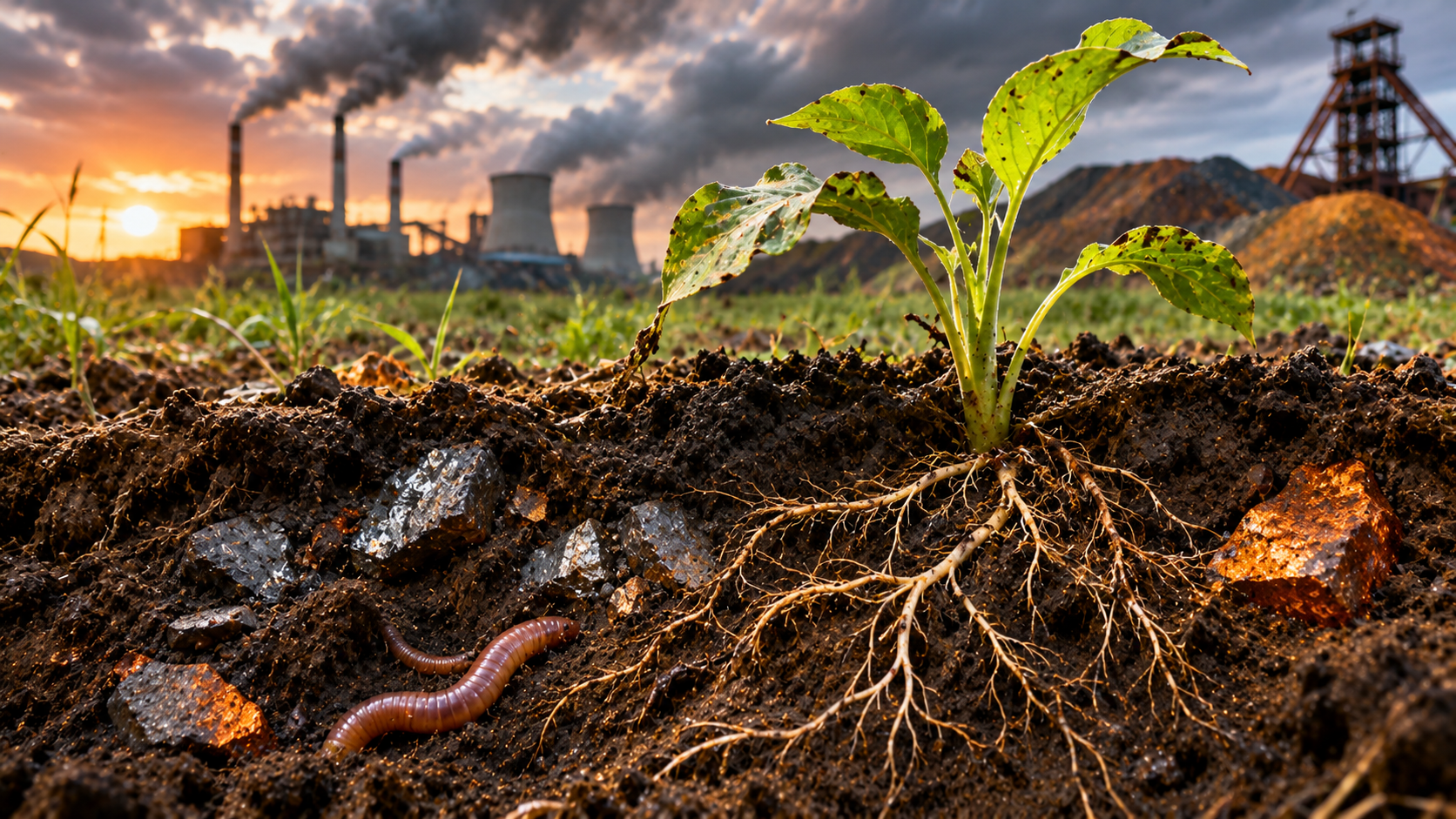
Heavy Metals in Soil and what Happens When Pollution Gets Underground?
We can see the smoke coming from a factory, the waste left behind by a mining operation or the traffic passing along a busy road. What we cannot always see is what happens when the pollution from these activities settles into the ground. Heavy metals can accumulate in soil, remain there for decades and affect the organisms, plants and wider ecosystems that depend on it. In some circumstances, they can also find their way into the food we eat and the water we drink. The contamination may be hidden, but its consequences can extend far beyond the original source.
Read article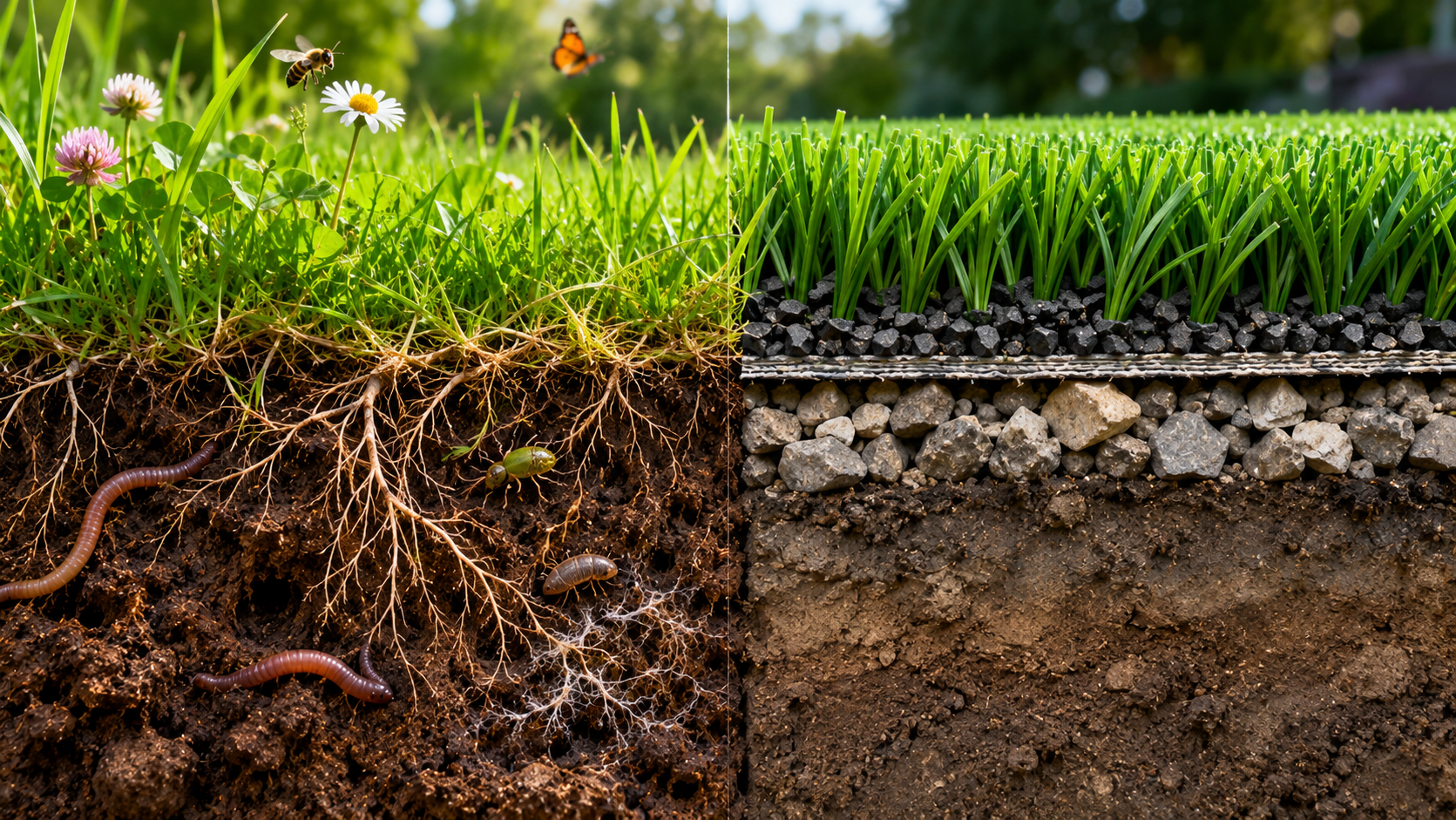
The Problem With Artificial Turf and what Are We Doing to the Soil Beneath It?
Artificial grass is increasingly appearing in gardens, school grounds, sports facilities and public spaces. It offers a neat, green surface without mowing, watering or the maintenance associated with natural grass, but there is a question we should be asking before replacing living ground with synthetic material. What happens to the soil underneath? Beneath the plastic blades, there is still a natural ecosystem that needs water, air, organic matter and sunlight to function. Covering it with an artificial surface can change those conditions, potentially affecting everything from water movement and soil temperature to the organisms that keep the ground alive.
Read article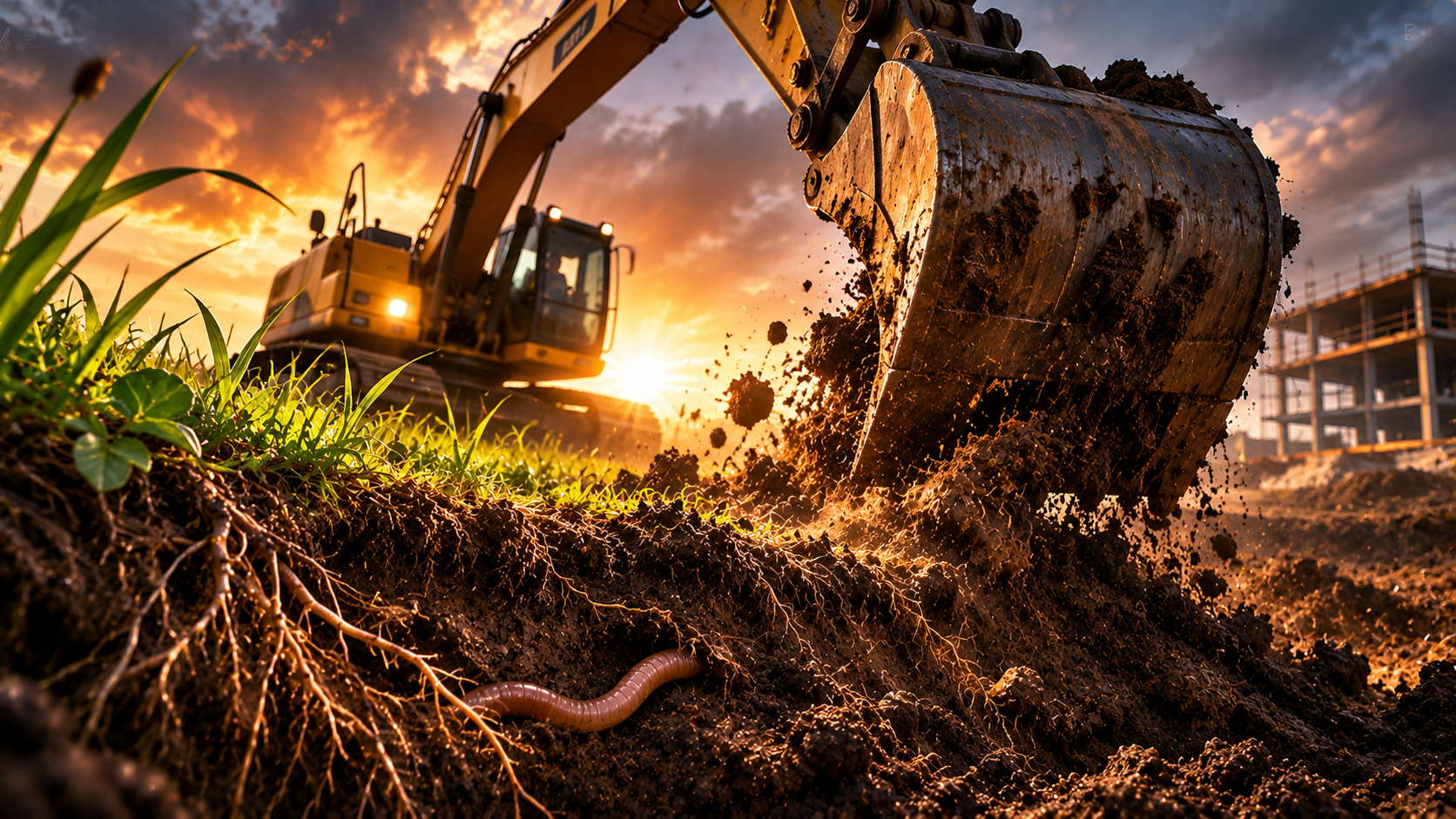
Construction and Soil and Why Topsoil Should Never Be Treated as Waste
When a construction site is cleared, the first visible signs of progress are often the removal of vegetation, the stripping of ground and the movement of earth. Excavators arrive, topsoil is scraped away, foundations are prepared and the landscape begins to change, but beneath the surface lies a resource that is too often overlooked in the rush to build.
Read article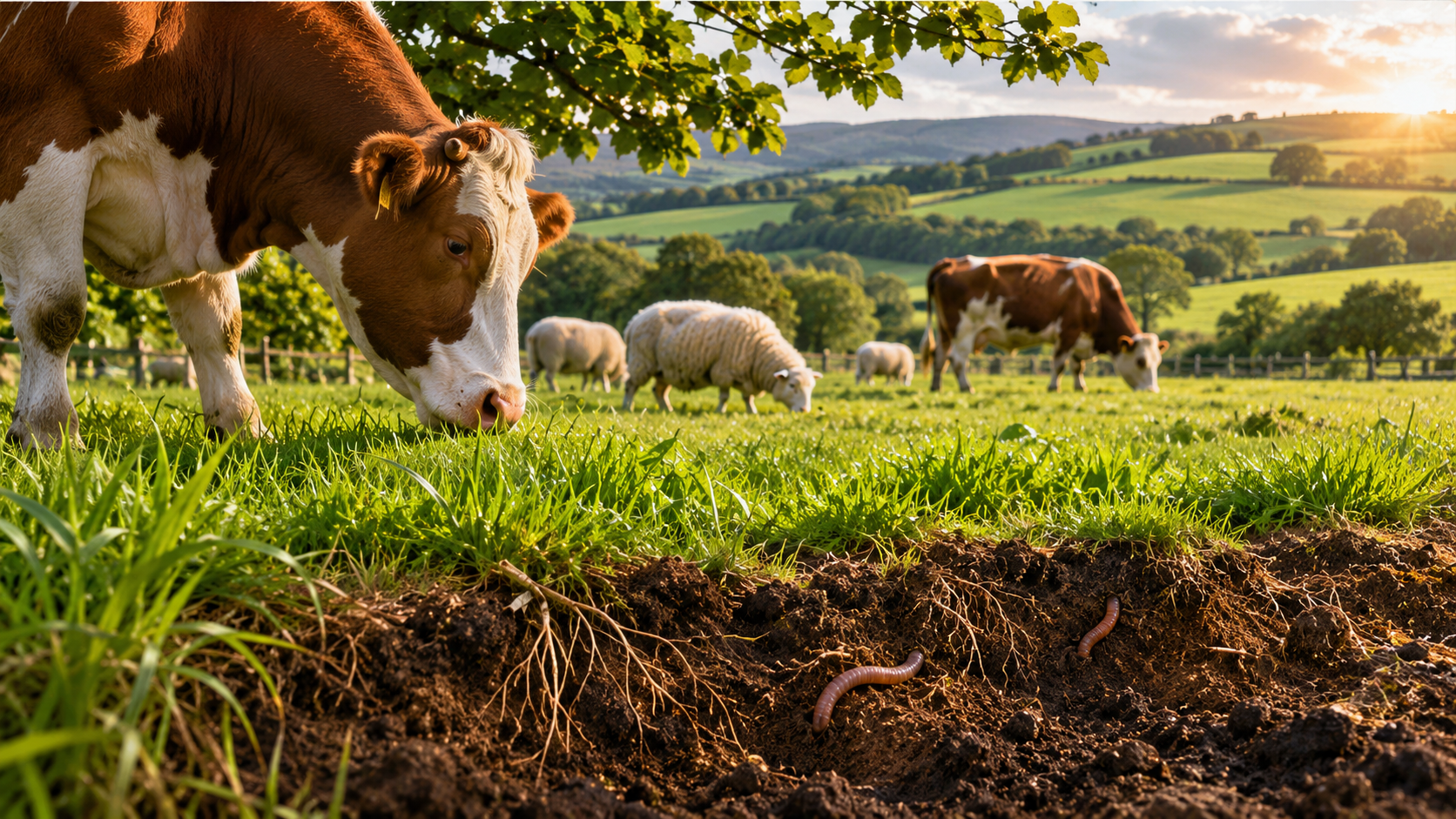
Livestock and Soil Health – Are Grazing Animals Part of the Solution?
Livestock farming is often discussed in terms of its environmental impact, from greenhouse gas emissions and land use to water pollution and biodiversity loss. However, there is another important part of the debate that deserves attention – and that is the relationship between grazing animals and the health of the soil beneath them.
Read article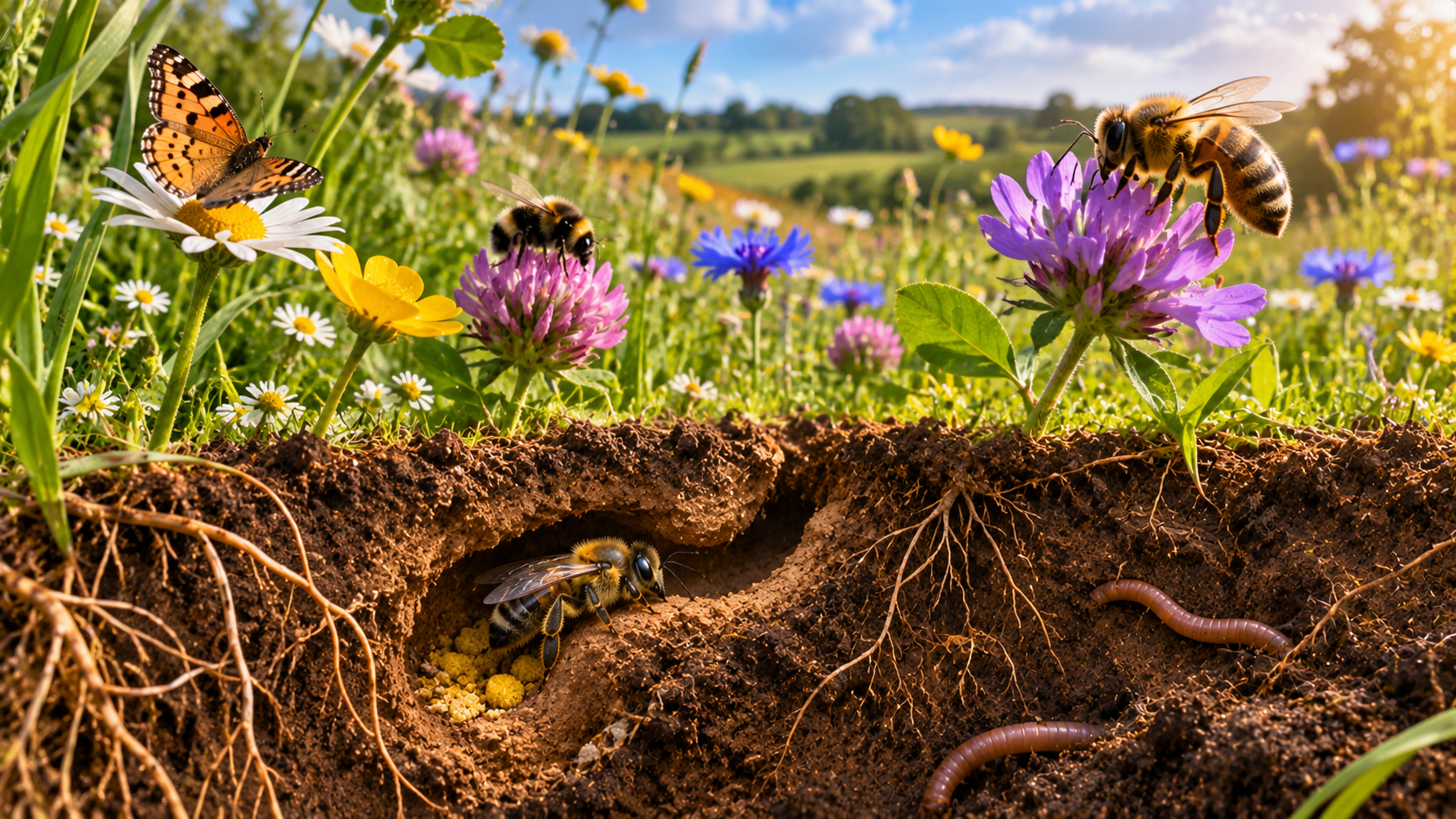
Why Healthy Soil Is Essential for Pollinators
When we think about pollinators, we tend to look upwards. We picture bees moving between flowers, butterflies crossing meadows and hoverflies feeding on nectar. We think about wildflower planting, flowering hedgerows and the importance of providing insects with food throughout the year, but there is another part of the picture that is much easier to overlook.
Read article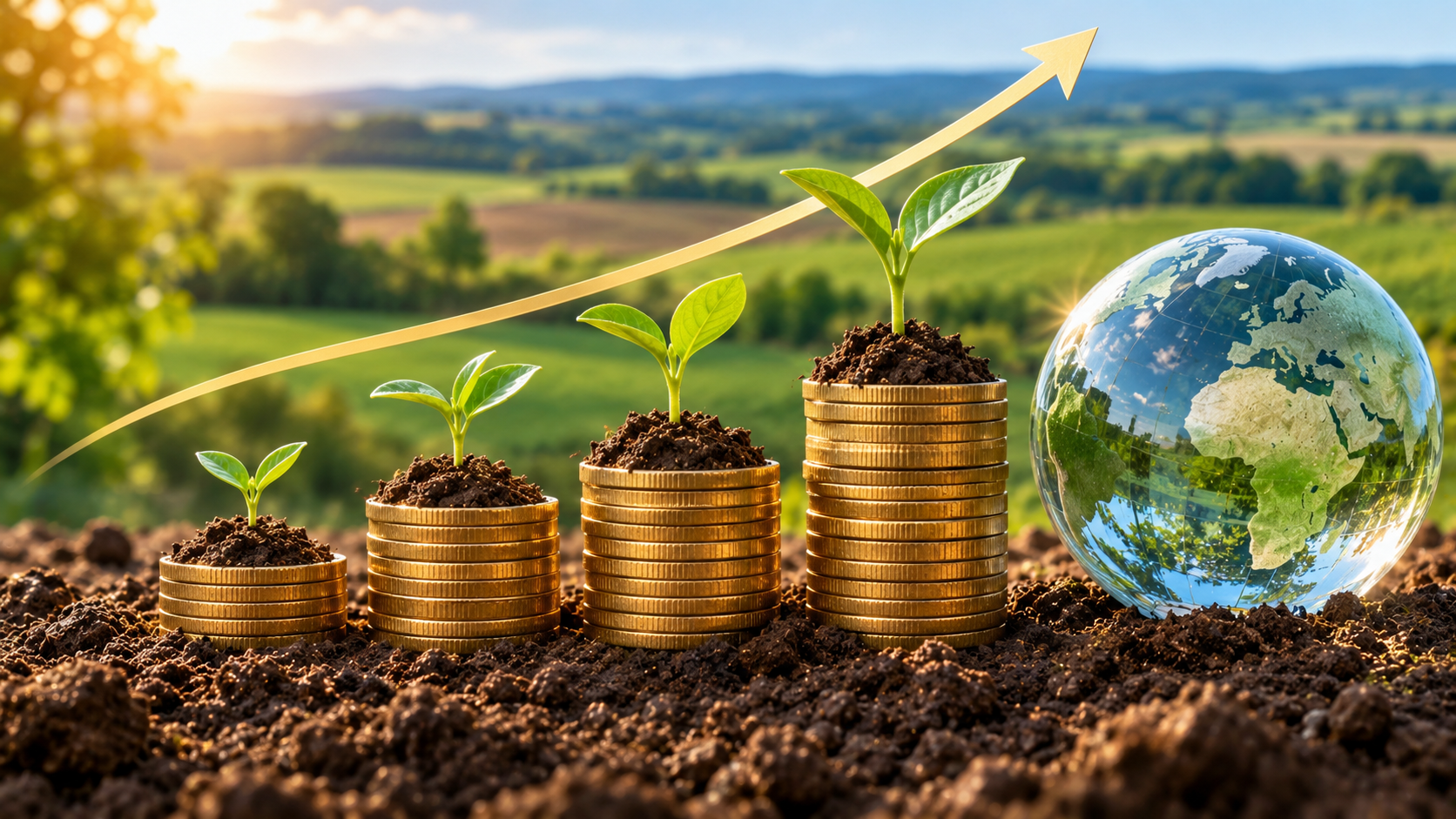
Can We Put a Value on Healthy Soil?
Soil underpins the global economy, even though its contribution is largely invisible in the financial decisions made by governments, businesses and investors. It produces our food, stores carbon, filters water, supports biodiversity and helps protect communities from flooding, but how much would it cost to replace these services if healthy soil disappeared? And why do we continue to treat one of the world's most valuable natural resources as though it has little economic value?
Read article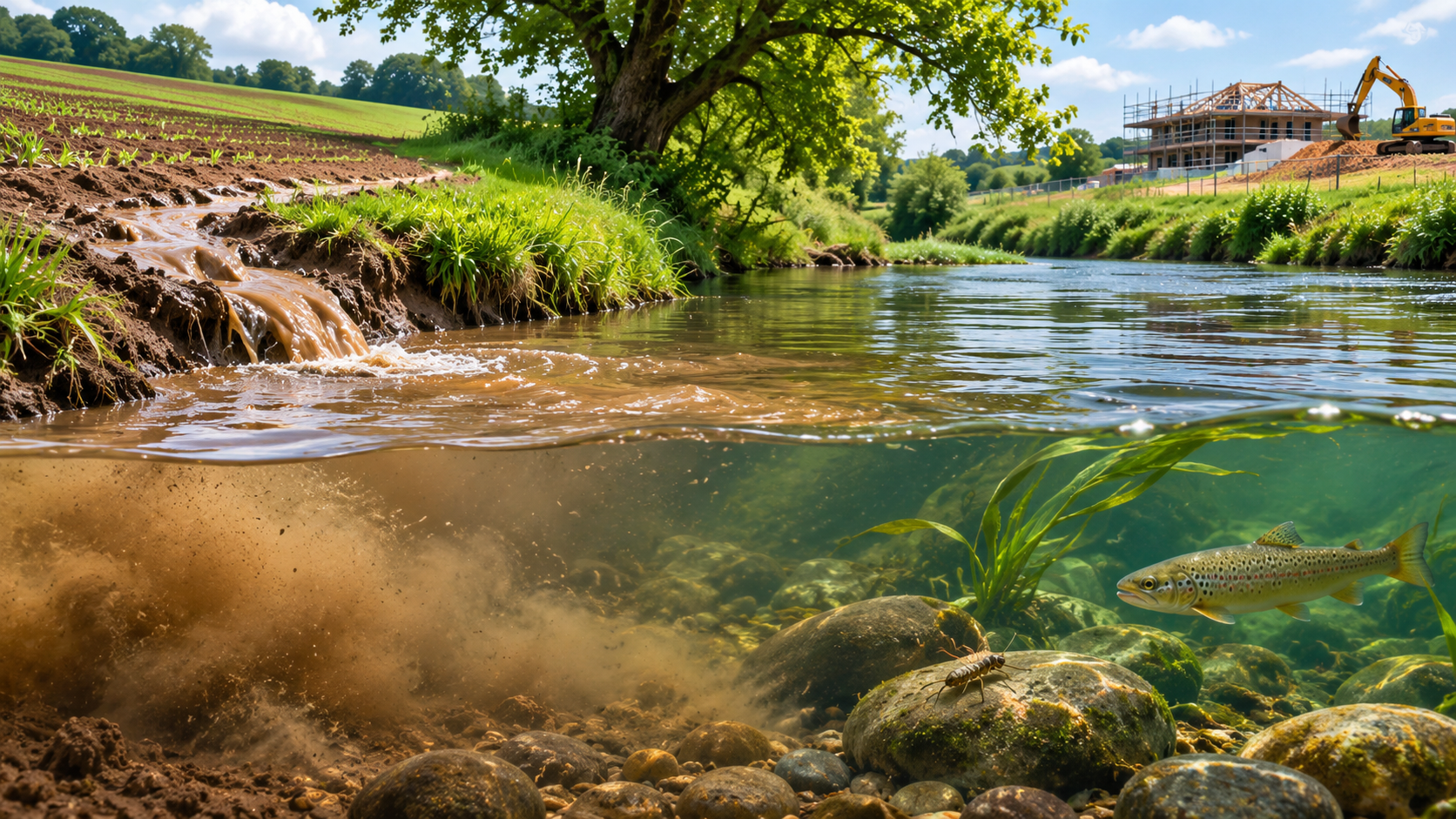
The Soil Beneath Our Rivers and Why Sediment Pollution Matters
Soil erosion is not only a problem for farmers, gardeners and the landscapes we depend on. When valuable topsoil is washed into rivers and lakes, it becomes a significant source of water pollution, carrying nutrients, chemicals and fine particles into freshwater ecosystems - and this is why protecting our waterways must begin with protecting the soil.
Read article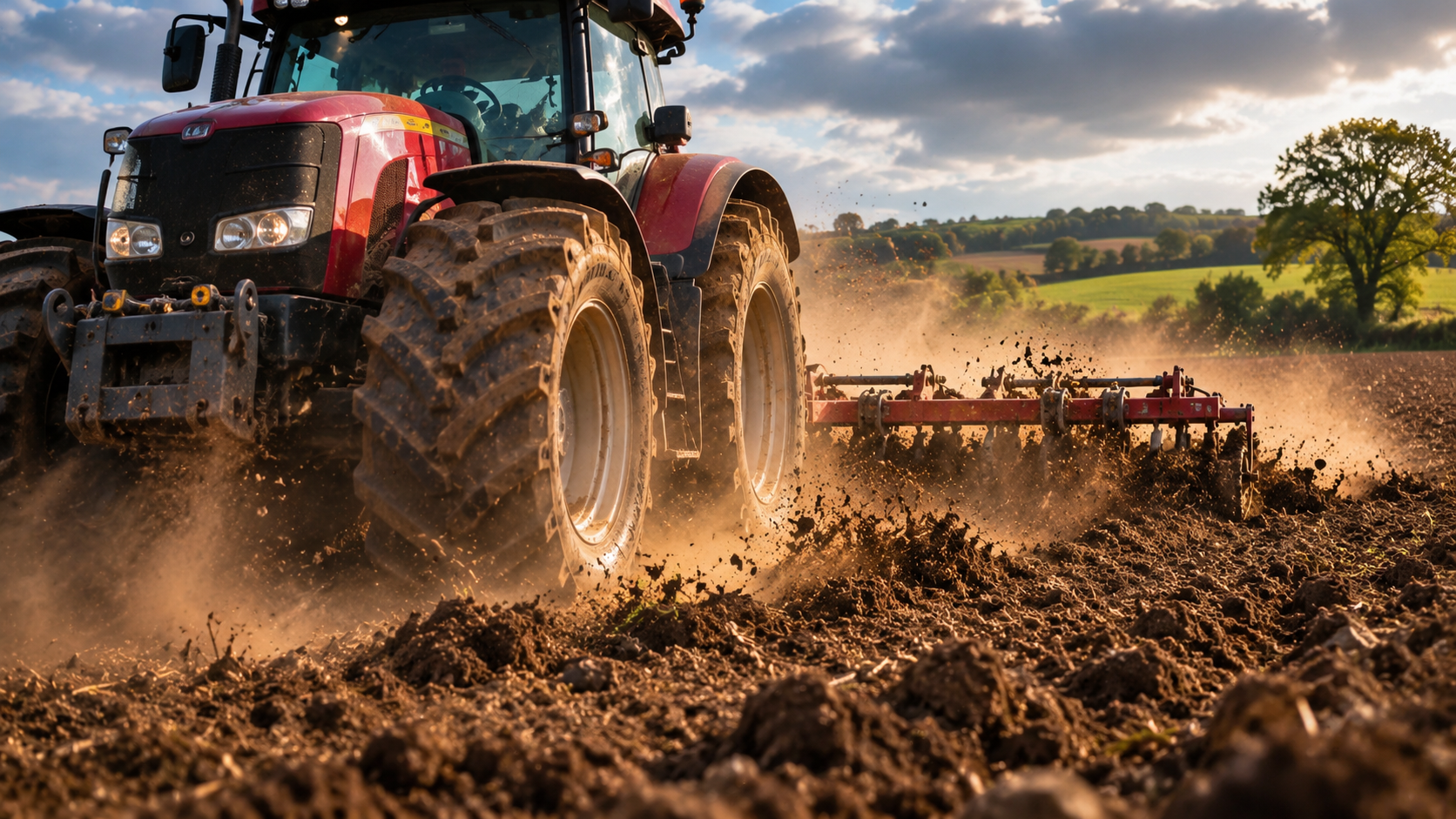
The True Cost of Intensive Tillage and What Happens When We Keep Turning the Soil?
For generations, ploughing has been regarded as an essential part of preparing land for food production. Turning the soil creates a seedbed, buries weeds and incorporates crop residues, but repeated cultivation also disrupts the complex physical, chemical and biological systems that make soil productive. As agricultural pressures increase around the world, it is time to ask whether our dependence on intensive tillage is costing us more than we realise.
Read articleExplore the Knowledge Hub. Discover why soil matters. Be part of the movement to protect it.