Livestock and Soil Health – Are Grazing Animals Part of the Solution?
Livestock farming is often discussed in terms of its environmental impact, from greenhouse gas emissions and land use to water pollution and biodiversity loss. However, there is another important part of the debate that deserves attention – and that is the relationship between grazing animals and the health of the soil beneath them.
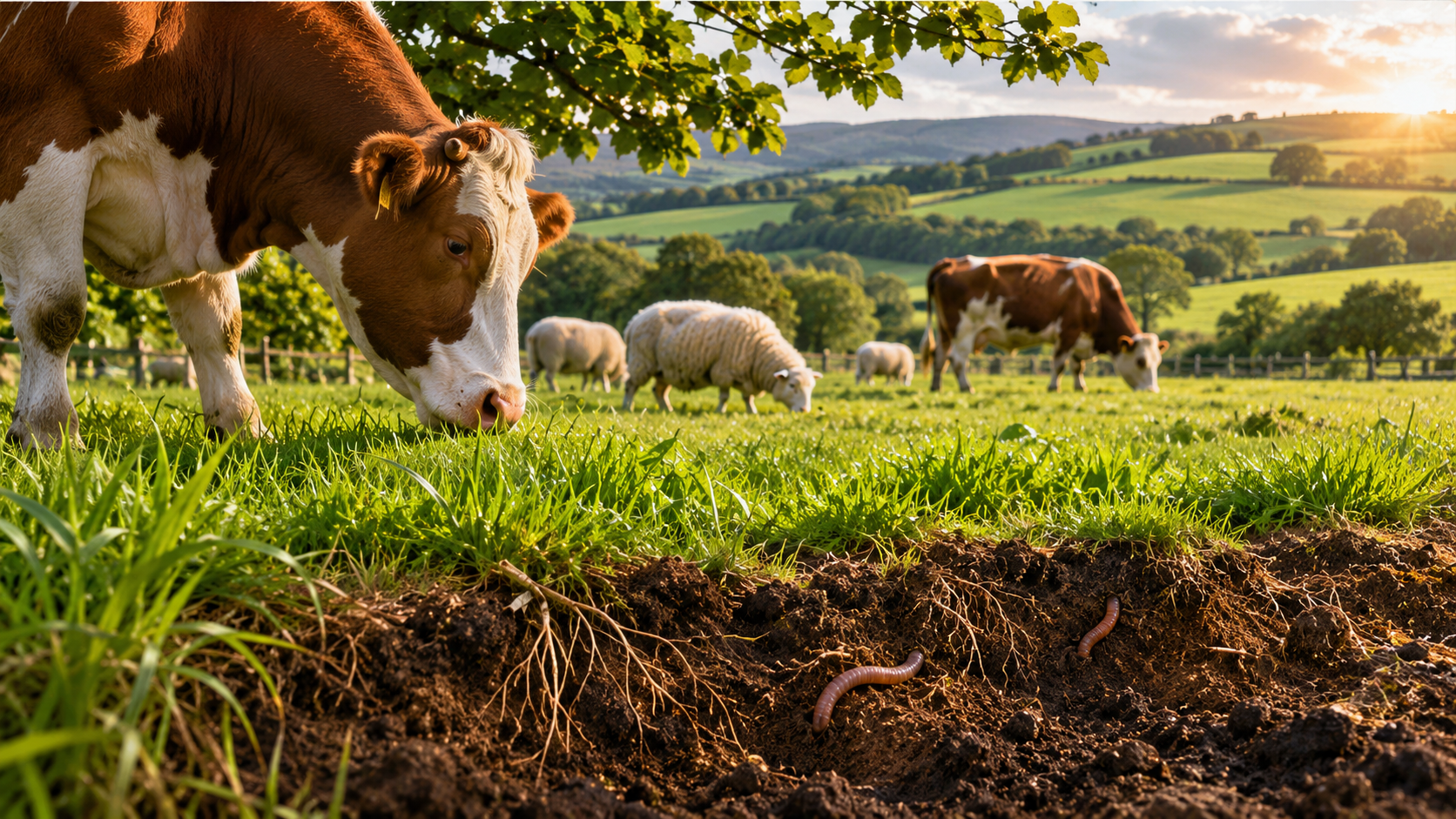
Animals can play a valuable role in functioning grassland ecosystems. Their grazing influences vegetation, their movement affects the physical structure of the ground, and their dung and urine return nutrients to the land. Under the right conditions, these interactions can help maintain productive grasslands and support the biological processes on which healthy soils depend.
But the same animals can also cause considerable damage. Too many livestock, grazing for too long or allowing animals onto vulnerable ground in wet conditions can compact soil, destroy vegetation and accelerate erosion.
So, are grazing animals part of the solution to declining soil health? The answer depends on how, where and when they are managed. Grazing is neither inherently beneficial nor inherently damaging. Its impact is shaped by the relationship between livestock numbers, soil conditions, vegetation, climate and the time allowed for the land to recover.
The Role of Grazing Animals in a Living Soil
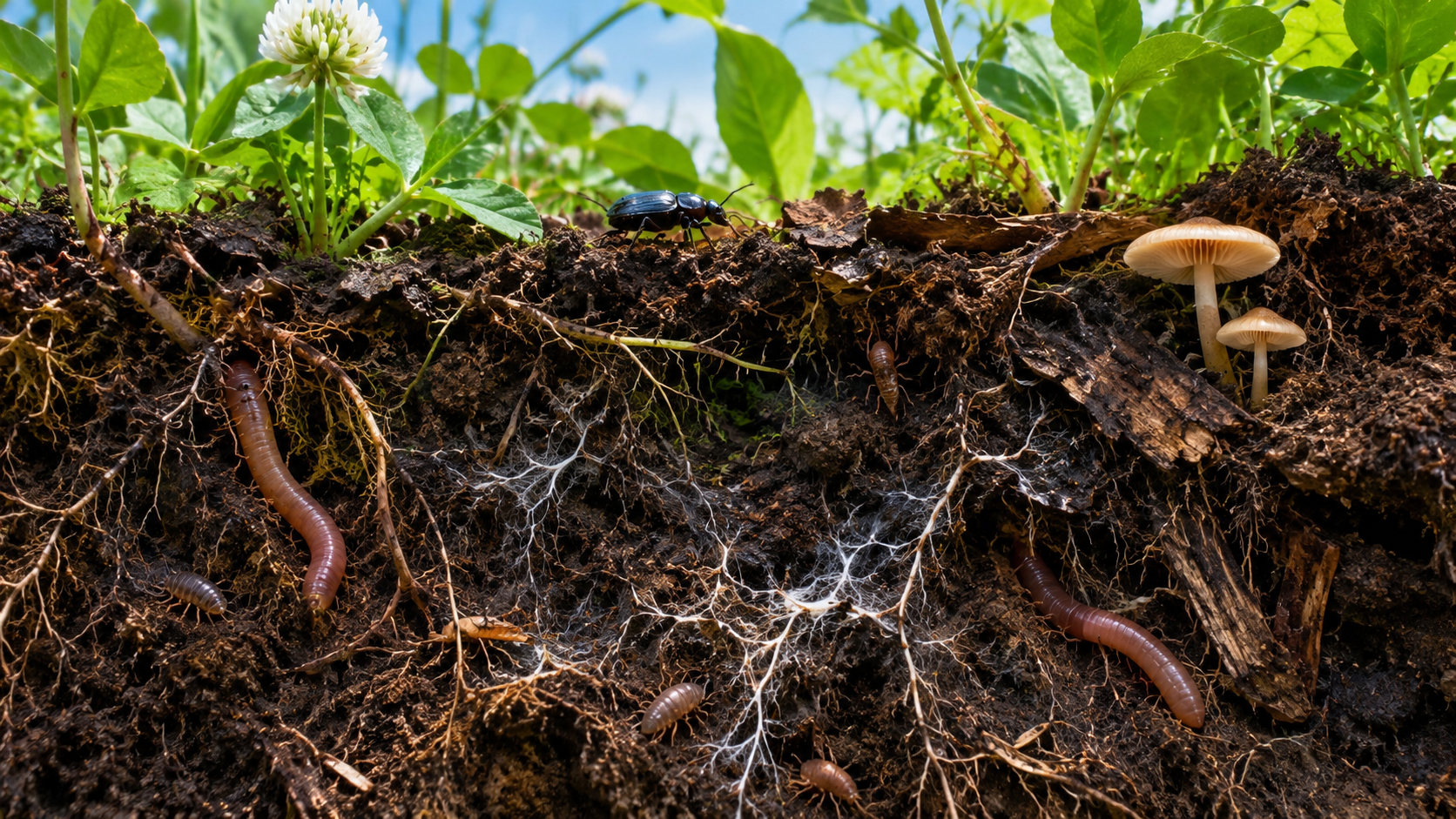
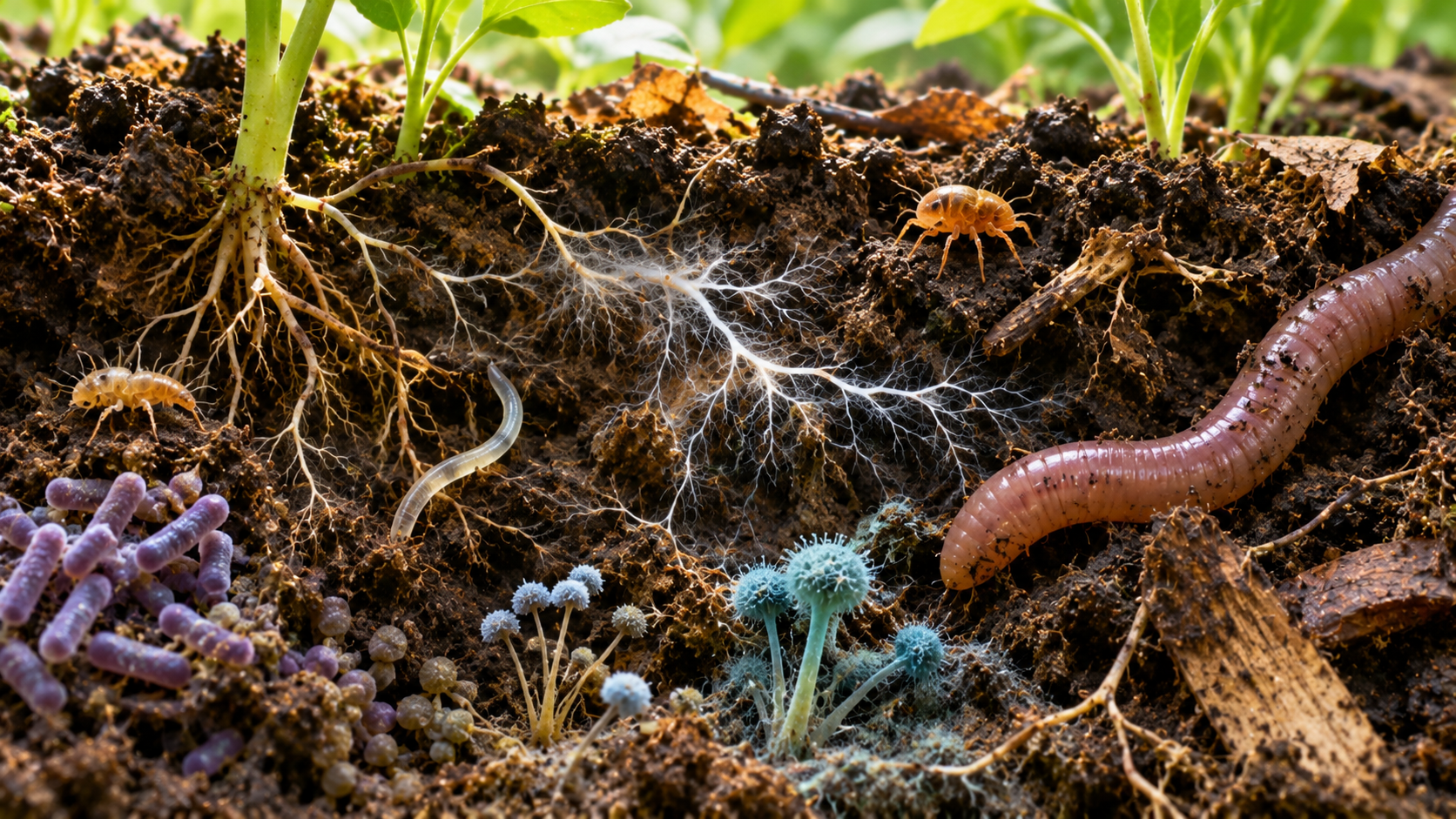
Soil is not an inert growing medium. It is a complex ecosystem containing bacteria, fungi, earthworms, insects and countless other organisms. These communities help break down organic matter, cycle nutrients, create soil structure and support plant growth.
Grassland soils are particularly important because they can maintain extensive root systems and receive a continuing supply of organic material from living plants. Grazing animals influence this system by removing vegetation, stimulating plant regrowth and returning nutrients through their waste.
When livestock graze appropriately, they can help maintain a varied sward and prevent some plant species from becoming dominant. Grazing can also create opportunities for different grasses and other plants to establish, although the outcome depends on stocking pressure, timing and the vegetation already present.
The relationship is not always straightforward. Grazing too heavily can remove more plant material than the grassland can replace. The roots may become weaker, ground cover can decline and the soil becomes more exposed to wind and rainfall. The challenge is to manage grazing so that vegetation remains productive while the soil retains the protection and organic inputs it needs.
How Livestock Help Recycle Soil Nutrients
One of the most direct contributions grazing animals make to soil is through the return of nutrients. As animals consume grass and other vegetation, some of the nutrients contained in that material are retained in their bodies. Others are returned to the land through dung and urine. This transfers nutrients back into the soil, where they can become available to plants and soil organisms.
Dung provides organic material that can be broken down by bacteria, fungi, dung beetles and other invertebrates. This process contributes to nutrient cycling and can support biological activity. Urine returns readily available nutrients, particularly nitrogen, although these are deposited in concentrated patches rather than spread evenly across the field.
This distinction matters. Nutrient return is not the same as creating new nutrients. Grazing animals redistribute nutrients already present in the pasture and feed they consume. If livestock are brought onto land from elsewhere, their manure can also introduce nutrients from outside the field, but the overall balance still needs to be managed.
Where stocking levels are appropriate, this natural recycling can reduce reliance on some external nutrient inputs. Where livestock are concentrated around feeding areas, water points or shelters, however, nutrients can accumulate in particular locations. Excessive applications or poorly managed manure can increase the risk of nutrient losses into watercourses.
Healthy nutrient cycling therefore depends on more than the presence of animals. It requires an understanding of how nutrients enter, move through and leave the farming system.
Grazing, Plant Roots and Soil Structure
The condition of grassland is closely connected to what happens below the surface. Grass roots help bind soil particles together, create channels through which water can move and contribute organic matter as roots grow, die and are replaced. A healthy, established sward can provide valuable protection against erosion while supporting a diverse community of soil organisms.
Grazing influences this process by controlling how much vegetation remains and how much time plants have to recover. If animals remove too much leaf material, plants have less capacity to maintain growth and replenish their root systems. Repeated close grazing can weaken the sward and reduce the amount of organic material entering the soil.
Well-managed grazing aims to maintain sufficient leaf area and allow plants to recover between grazing periods. Rotational systems can help achieve this by moving livestock between grazing areas, although rotation alone does not guarantee better soil health. Stocking pressure, grazing duration, recovery time and soil conditions remain critical.
There is also a physical dimension. Hooves can press vegetation and plant residues into contact with the soil, but livestock movement also places pressure on the ground. On firm, well-structured soils, this may be manageable. On wet or vulnerable soils, the same activity can destroy pore spaces and damage the structure that allows roots, water and air to move through the soil. The objective is not to eliminate livestock movement, but to prevent it from exceeding the soil's ability to withstand and recover from pressure.
The Dangers of Overgrazing
Overgrazing occurs when animals remove vegetation faster than it can recover. It can result from excessive stocking rates, prolonged grazing, poor rotation management or a failure to account for seasonal conditions.
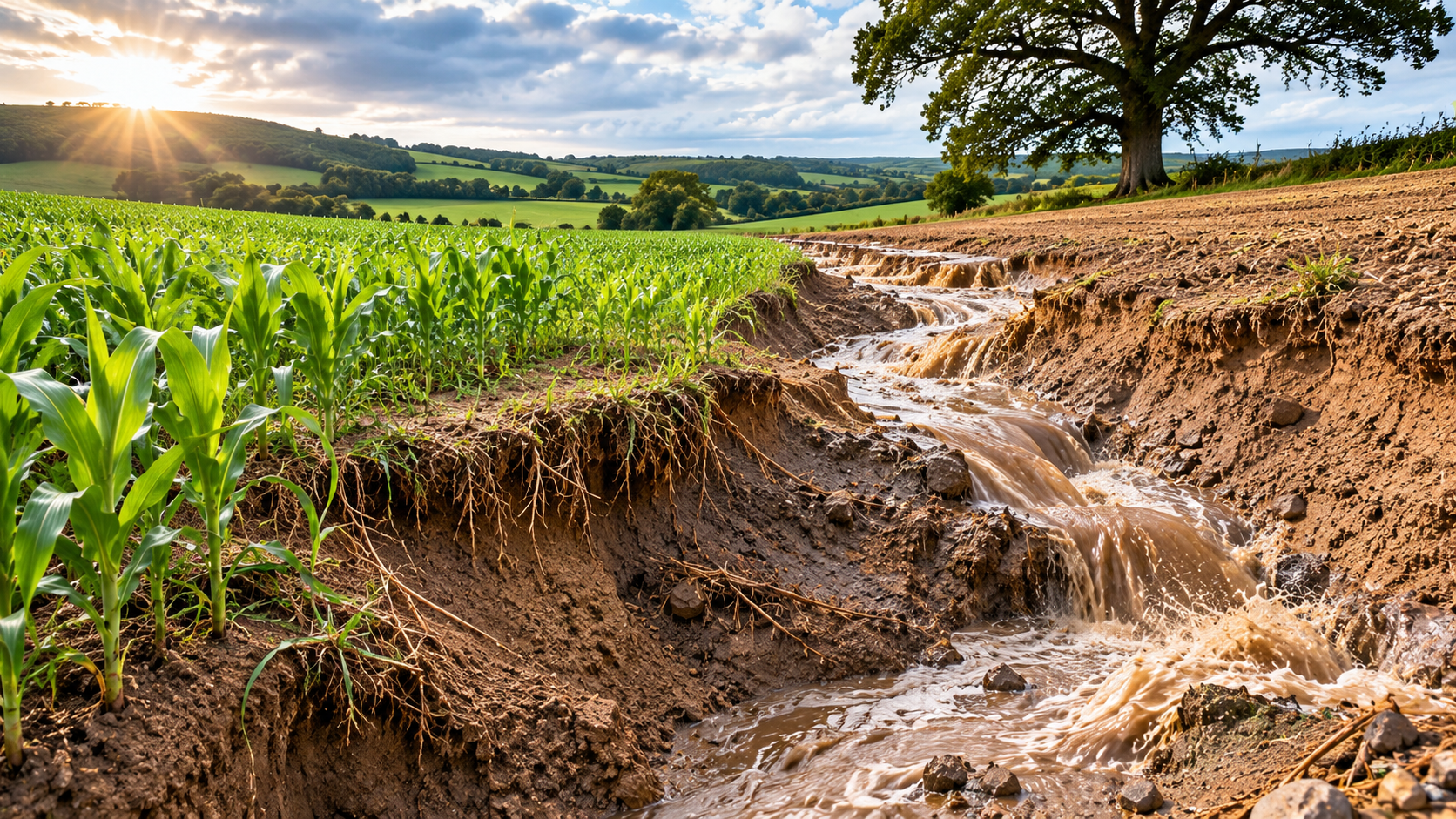
As vegetation cover declines, the soil loses an important protective layer. Rain can strike exposed ground directly, increasing the risk of surface erosion and runoff. Wind can also carry away dry, exposed soil, while reduced root growth can weaken the structure holding the ground together.
Overgrazing can affect the soil's biological health too. Less plant growth means less organic material is returned through roots and decaying vegetation. This can reduce the resources available to soil organisms and, over time, affect soil organic matter.
The scale of the potential impact is demonstrated by a global meta-analysis published in 2020, which examined 287 studies of grazing intensity and soil properties. It found that heavy grazing was associated with an 11.3% increase in soil bulk density and a 10.8% reduction in soil organic carbon in the upper 10cm, compared with ungrazed land. It also identified reductions in soil moisture and microbial biomass carbon. These are pooled findings across varied environments, rather than predictions for every farm, but they underline the risks associated with excessive grazing.
The consequences extend beyond the field. Eroded soil can carry nutrients and sediment into rivers, streams and lakes, affecting water quality and aquatic habitats. Once topsoil has been lost, restoring the land can take considerable time and effort.
Poaching and Compaction – When Hooves Damage the Ground
One of the most visible examples of livestock-related soil damage is poaching. Poaching occurs when animals trample wet ground, breaking down the soil surface and creating compacted depressions. Cattle can leave deep hoof marks in saturated fields, while sheep grazing at high stocking densities can create more widespread compaction near the surface.
The damage is not restricted to appearance. Compaction reduces the space available for air and water within the soil. It can restrict root growth, limit infiltration and make it harder for water to drain through the ground. Water may collect on the surface, while runoff can carry soil and nutrients into nearby watercourses.
The risk is influenced by soil type, drainage, livestock weight, stocking density and weather. Heavy clay soils are generally more vulnerable when wet, but lighter soils can also suffer where drainage or soil structure is poor.
The Agriculture and Horticulture Development Board (AHDB) identifies gateways, drinking troughs and feeding areas as common locations for livestock-related compaction because animals repeatedly congregate there. Its guidance recommends removing livestock from wet fields where possible, reducing stocking pressure, extending grazing rotations and managing access routes and feeding points.
The lesson is important: grazing decisions should be based on the condition of the soil, not just the availability of grass. A field that can support livestock in dry weather may be highly vulnerable after prolonged rainfall.
Can Rotational Grazing Improve Soil Health?
Rotational grazing is often presented as a way to improve grassland management. Rather than allowing animals to graze continuously across a large area, livestock are moved between smaller paddocks or grazing areas, giving vegetation time to recover.
When designed around the needs of the land, this approach can help prevent repeated grazing of the same plants, maintain ground cover and provide opportunities for root growth. It can also make it easier to monitor grazing pressure and identify areas that need rest.
However, rotational grazing is not a guaranteed route to healthier soil. Moving animals more frequently does not automatically reduce compaction or increase soil carbon. If stocking rates are too high, grazing periods are too long or recovery periods are inadequate, damage can still occur.
The evidence on grazing systems and soil carbon is also more complicated than some claims suggest. A 2024 evidence review published in the Proceedings of the Royal Society B examined grassland management, grazing livestock and soil carbon storage. It highlighted the multiple ways grazing affects carbon dynamics, including vegetation removal, root growth, nutrient cycling and soil disturbance. It also concluded that the evidence base remains limited in important areas, particularly the need for more medium- and long-term field studies.
This is a useful reminder that soil health cannot be reduced to a single grazing formula. Different soils, climates, grassland types and livestock systems require different approaches.
Managing Grazing Around the Needs of the Soil
Good grazing management starts with understanding the land's capacity to support livestock. That means considering soil texture, structure, drainage, slope, vegetation cover and seasonal conditions. Stocking decisions should reflect not only how much grass is available, but also how much pressure the soil can withstand.
Practical measures include:
Adjusting stocking rates: Keep livestock numbers within the carrying capacity of the land, taking account of seasonal changes in grass growth and soil conditions.
Allowing recovery time: Give plants sufficient time to regrow and maintain healthy root systems between grazing periods.
Avoiding saturated ground: Remove or relocate livestock when wet conditions make poaching and compaction likely.
Managing gateways and feeding areas: Reduce repeated traffic and move temporary feeders and water points where appropriate.
Protecting watercourses: Maintain suitable buffers and prevent livestock from damaging riverbanks or contaminating water.
Monitoring soil structure: Use a spade or soil pit to look for compaction, restricted rooting, poor aggregation and signs of waterlogging.
Maintaining ground cover: Avoid grazing so closely that bare soil is exposed to rainfall and erosion.
These measures are not just about protecting the environment. They also support the long-term productivity of the farm. Compacted soils can restrict grass growth, reduce water movement and make fields less resilient to both drought and flooding. Protecting soil structure helps preserve the land's ability to produce forage.
Are Grazing Animals Part of the Solution?
The debate about livestock and the environment is often framed in opposing terms. Grazing animals are either presented as a problem that needs to be reduced or as an essential part of restoring natural ecosystems. Neither position tells the whole story.
In some landscapes, appropriately managed grazing can help maintain grassland habitats, influence vegetation diversity and return nutrients to the soil. In others, excessive grazing can accelerate degradation, damage soil structure and reduce the land's capacity to support plant and animal life.
There is also an important distinction between grazing animals as part of a functioning grassland ecosystem and livestock production as a whole. The environmental impact of meat and dairy production includes issues beyond soil health, including methane emissions, feed production, land-use change and the resources required to support livestock. Improvements to grazing management do not remove those wider considerations.
Nor should grazing be treated as a universal requirement for healthy soil. Many ecosystems function without domestic livestock, and some landscapes are better protected through reduced grazing, seasonal grazing or complete livestock exclusion. The question should therefore be less about whether livestock are good or bad for soil, and more about whether the way they are managed supports the health of the land.
Putting Soil First
Healthy soil is built through relationships between plants, animals, microorganisms, water and the wider environment. Grazing animals can be part of that relationship, but their presence alone does not guarantee positive outcomes.
The most effective grazing systems recognise that soil has limits. They allow vegetation to recover, protect vulnerable ground, maintain organic inputs and adjust to changing weather conditions. They also recognise when livestock need to be moved, even if grass remains available.
Ultimately, the measure of successful grazing should not be how many animals a field can carry or how much vegetation can be removed. It should be whether the land remains healthy, productive and resilient over time. Livestock can contribute to that outcome, but the starting point must always be the soil.
Because if we want farming systems that work with nature rather than against it, we need to understand what is happening beneath our feet.
10 Frequently Asked Questions about Livestock and Soil Health
1. How does livestock grazing affect soil health?
Well-managed grazing can support nutrient cycling, vegetation management and soil biological activity. Overgrazing, however, can damage soil structure, reduce organic matter and increase erosion.
2. Can grazing animals improve soil fertility?
Yes. Dung and urine return nutrients to the land, while dung also provides organic material for soil organisms. However, livestock redistribute nutrients rather than automatically creating new ones.
3. What is overgrazing and why is it harmful to soil?
Overgrazing occurs when animals remove vegetation faster than it can recover. This reduces ground cover, weakens plant roots and leaves soil more vulnerable to compaction, erosion and nutrient loss.
4. What is soil poaching caused by livestock?
Soil poaching occurs when livestock trample wet ground, damaging the surface and creating compacted areas. It can restrict water infiltration, reduce aeration and increase surface runoff.
5. Can rotational grazing improve soil health?
Rotational grazing can give plants time to recover, maintain ground cover and help manage grazing pressure. Its success depends on appropriate stocking rates, grazing periods and recovery times.
6. How does livestock grazing affect soil organic matter?
Grazing influences the amount of plant material and root growth returned to the soil. Appropriate management can maintain organic inputs, while excessive grazing can reduce vegetation and the material available to support soil organic matter.
7. Why should livestock be removed from fields during wet weather?
Wet soils are more vulnerable to compaction and poaching. Moving livestock away from saturated ground can help protect soil structure, drainage and future grass growth.
8. Can grazing livestock help reduce the need for artificial fertilisers?
Livestock manure returns nutrients to the soil and can contribute to nutrient cycling. However, it does not always replace fertiliser requirements, and nutrient levels must be managed to avoid pollution.
9. Are grazing animals always beneficial for grassland biodiversity?
No. Appropriate grazing can help maintain some grassland habitats and influence plant diversity, but excessive grazing can damage vegetation and wildlife habitats. Some landscapes benefit from reduced grazing or no livestock at all.
10. What is the best way to manage livestock for healthy soil?
Match stocking rates to the land's capacity, allow vegetation to recover, avoid grazing saturated fields, maintain ground cover and regularly monitor soil structure and drainage.