The Soil Beneath Our Rivers and Why Sediment Pollution Matters
Soil erosion is not only a problem for farmers, gardeners and the landscapes we depend on. When valuable topsoil is washed into rivers and lakes, it becomes a significant source of water pollution, carrying nutrients, chemicals and fine particles into freshwater ecosystems - and this is why protecting our waterways must begin with protecting the soil.
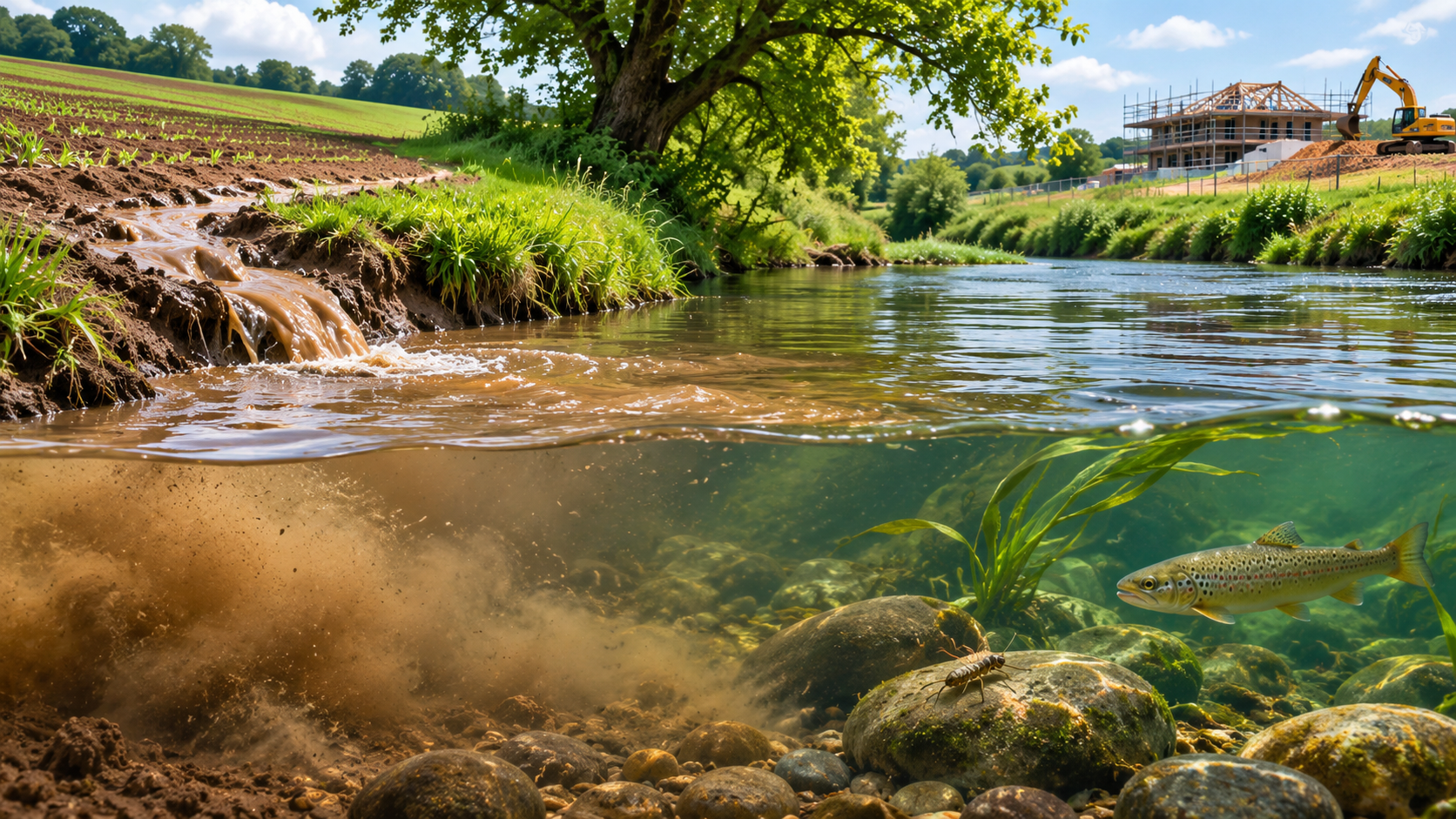
One of the most persistent threats to freshwater ecosystems can begin much further upstream, in the fields, construction sites and degraded landscapes that surround them. It is soil.
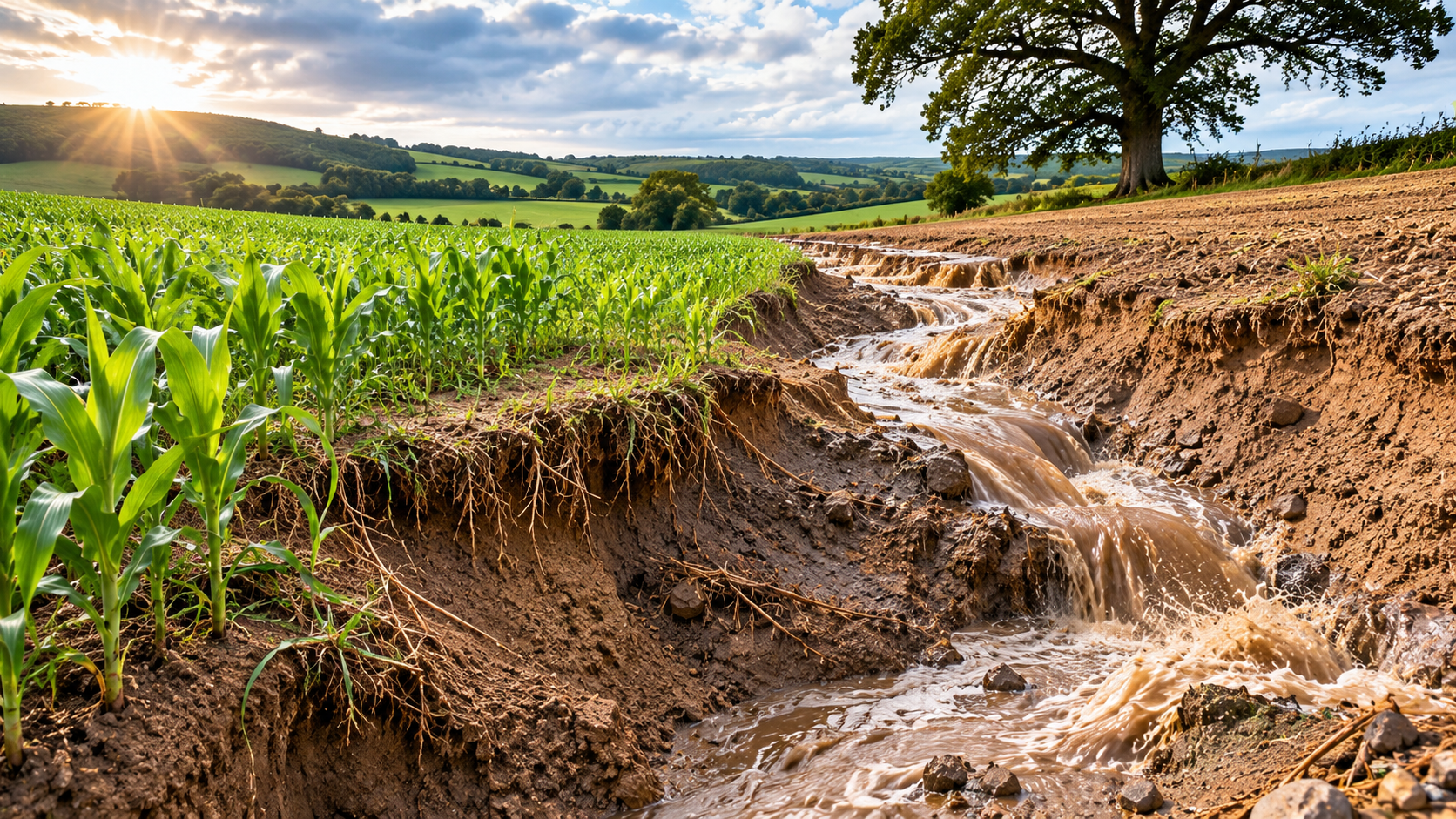
Every time heavy rain washes exposed earth from a field, carries sediment from a construction site or strips particles from an eroding riverbank, material that belongs on the land can end up in the water. Once there, it can change the physical characteristics of a river, smother habitats, damage aquatic life and transport pollutants that affect water quality. This is known as sediment pollution. It is an important but often overlooked link between soil health and the condition of our rivers, streams and lakes.
The scale of the wider problem is considerable. According to the Environment Agency's 2026 report, agriculture is the most significant sector adversely affecting 40% of water bodies in England, based on 2019 data. The report also estimates that agriculture is responsible for approximately 60% of nitrogen in water and 28% of phosphorus in rivers across England and Wales. Soil run-off and erosion are identified among the pollutants entering the water environment from farming.
What is sediment pollution?
Sediment is the material carried by water when soil and other particles are displaced from the land. It can include clay, silt, sand and organic matter, ranging from very fine particles that remain suspended in the water to heavier material that settles on the riverbed.
Some sediment movement is entirely natural. Rivers transport material through their catchments, particularly during periods of high rainfall and flooding. The problem arises when the volume of sediment entering waterways becomes excessive, or when human activities accelerate erosion beyond the ability of natural systems to cope.
Agricultural practices, soil compaction, the removal of vegetation, construction activity, deforestation and poorly managed land can all increase the amount of soil available to be washed away.
The Environment Agency's guidance on diffuse pollution explains how rainfall can erode land, carrying sediment, nutrients and pesticides into surface water and groundwater. Importantly, these pollutants do not always originate from a single identifiable discharge. They can come from many small sources spread across an entire catchment, accumulating to create a significant environmental problem.
The problem starts with soil erosion
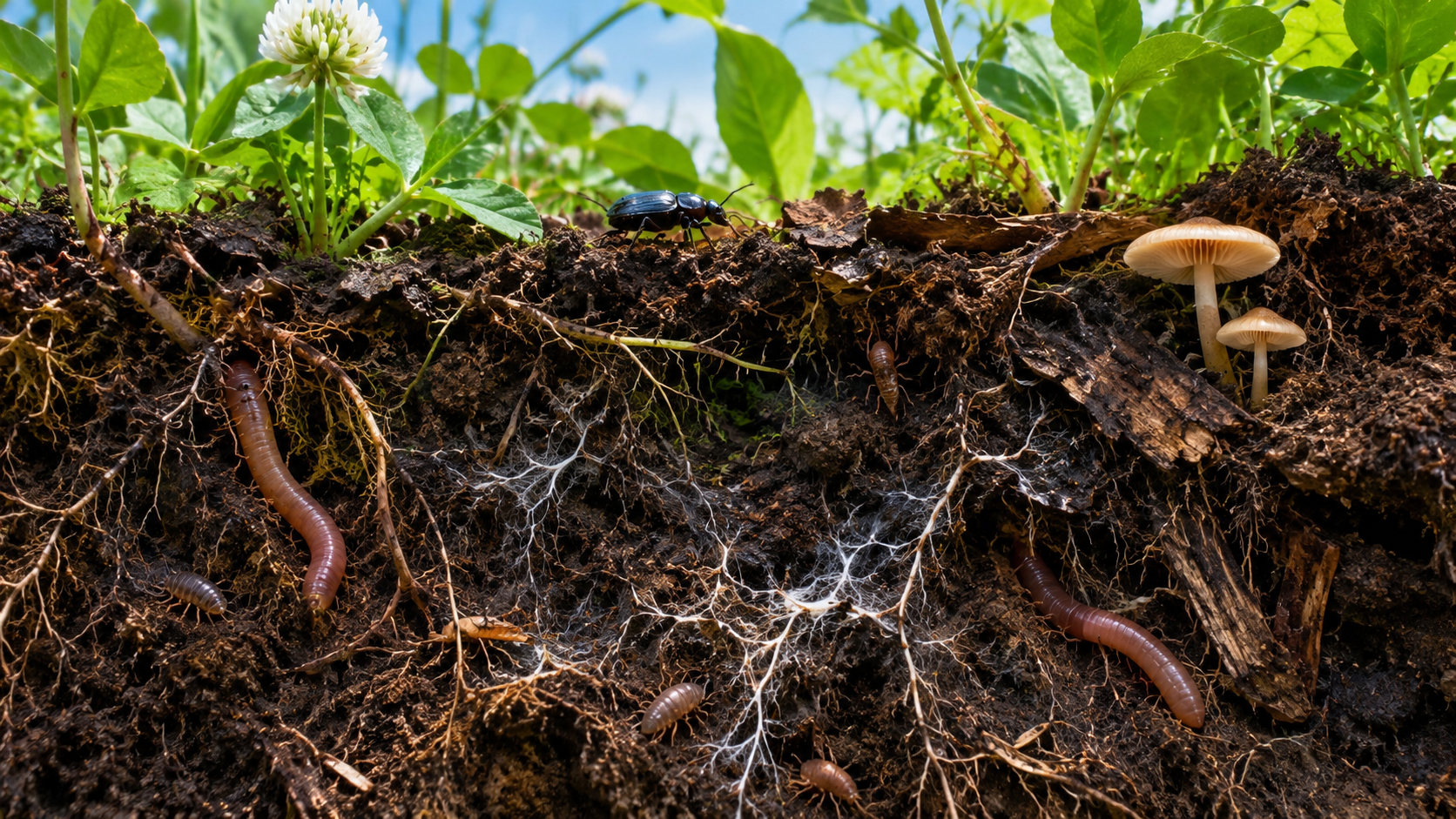
Healthy soil has a structure that allows water to infiltrate, be stored and move through the ground. Organic matter, plant roots, soil organisms and stable aggregates all contribute to this structure.
When soil becomes compacted, degraded or exposed, its ability to absorb rainfall and resist erosion can be reduced. Water runs across the surface instead, picking up soil particles and carrying them downhill towards drains, ditches, streams and rivers.
Agriculture is an important part of this picture. Bare fields, inappropriate cultivation, overgrazing, tramlines and machinery operating on wet ground can all increase erosion risk. The removal of hedgerows, trees and other vegetation can also reduce the natural barriers that slow water and trap sediment before it reaches a watercourse.
The scale of the underlying soil problem is reflected in Defra's State of the Environment: Soil report. It estimates that more than two million hectares of soil in England and Wales are at risk of erosion, while almost four million hectares are at risk of compaction.
An earlier UK Government estimate, published in its rural development programme evidence, put annual topsoil erosion in England and Wales at approximately 2.9 million tonnes. This is an older estimate rather than a current annual measurement, but it illustrates the potential scale of the material being lost from the land – and the consequences extend far beyond the loss of productive topsoil. Once that material enters a watercourse, it becomes part of a wider pollution problem.
How sediment damages rivers and aquatic life
Excessive sediment can affect freshwater ecosystems in several ways. Fine particles suspended in water increase turbidity, making the water cloudy and reducing the amount of sunlight reaching submerged plants. This can interfere with photosynthesis and affect the growth of aquatic vegetation.
When sediment settles, it can cover the gravel, stones and other surfaces that provide habitats for fish, aquatic insects and other organisms. It can fill the spaces between gravel particles where fish eggs develop and where many freshwater invertebrates live.
For fish, suspended sediment can also cause physical damage. Fine particles can irritate or damage gills, while high sediment concentrations can make it more difficult to locate food and avoid predators.
The impact is not restricted to individual species. Sediment can alter the structure of habitats, reduce biodiversity and disrupt the relationships between organisms that keep freshwater ecosystems functioning. The effects can be particularly damaging during spawning periods, when fish eggs and developing young are vulnerable to changes in the condition of the riverbed.
Lakes and reservoirs face similar problems. Sediment gradually accumulates on the bottom, reducing water depth and potentially affecting habitats and water storage capacity. Where sediment carries nutrients, it can also contribute to excessive plant and algal growth.
Sediment carries more than soil
One of the reasons sediment pollution matters so much is that the particles being washed away can carry other pollutants with them. Phosphorus, for example, can attach to clay and organic soil particles. When eroded soil enters a river, it can transport this nutrient into the water. Nitrogen and other nutrients can also reach waterways through surface run-off and drainage.
Excessive nutrient levels can encourage the growth of algae and aquatic plants, creating a process known as eutrophication. Dense algal growth can reduce light penetration, disrupt aquatic habitats and, when plant material decomposes, contribute to the depletion of dissolved oxygen.
Low oxygen levels can place fish and other aquatic organisms under severe stress. In extreme circumstances, they can lead to fish deaths and damage entire freshwater communities.
The Environment Agency's March 2026 report, Exploring phosphorus concentrations and ecological improvements in English rivers, identifies phosphorus as one of the leading causes of rivers failing to achieve good ecological status. It also highlights the interaction between phosphorus, fine sediment, nitrate enrichment and other environmental pressures.
The report notes that only 45% of river water bodies in England currently comply with the Water Framework Directive's phosphate standards for good ecological status. This is an important reminder that reducing one source of pollution does not necessarily resolve the wider ecological problem.
The latest available UK nutrient balance figures also demonstrate the continuing pressure. Defra's 2024 estimates recorded a nitrogen surplus of 89.4kg per hectare of managed agricultural land and a phosphorus surplus of 4.5kg per hectare. Both figures represent increases on 2023. These balances do not measure the quantities actually entering rivers, but they indicate the potential for nutrient losses to the wider environment.
Construction sites and degraded landscapes
Agriculture is not the only source of sediment pollution. Construction can create particularly vulnerable conditions because large areas of soil may be exposed during excavation, earthworks, ground preparation and landscaping. Without effective controls, rainfall can carry loose material from a site into nearby drains and watercourses.
Stockpiles, access roads, stripped ground and disturbed riverbanks can all become sources of sediment. The risk increases during heavy rainfall, particularly where drainage systems and sediment-control measures have not been properly designed or maintained.
The consequences can be immediate. A single poorly controlled site can release substantial quantities of silt into a small stream, affecting water clarity, riverbed habitats and aquatic life.
Land degradation creates similar problems. Deforestation, the loss of permanent vegetation, damaged peatlands and eroding riverbanks can all increase the movement of soil into waterways.
Urban areas also contribute. Hard surfaces accelerate run-off, while poorly managed ground, drainage systems and exposed soil can allow pollutants to move rapidly into rivers and streams.
The challenge is therefore not confined to one industry or land use. It requires a catchment-wide approach that recognises the connection between what happens on the land and the condition of the water downstream.
Climate change is increasing the pressure
Changing rainfall patterns make soil management even more important. Periods of drought can leave soils dry, exposed and vulnerable to erosion when heavy rain eventually arrives. Intense rainfall can overwhelm the ability of compacted or degraded soils to absorb water, creating rapid surface run-off.
The Environment Agency's 2026 agriculture report identifies flooding and drought as growing challenges for farming and the water environment. It also highlights the need for agriculture to improve water conservation and help manage flood risk.
This creates a clear relationship between soil health, water management and climate resilience. Soil with good structure and organic matter can help absorb and retain rainfall, slow the movement of water across the landscape and reduce the amount of sediment reaching rivers. Conversely, degraded and compacted soil can contribute to faster run-off, greater erosion and increased pressure on drainage systems and watercourses.
Protecting rivers begins with protecting soil
The good news is that sediment pollution is not inevitable. Better land management can make a significant difference, and many of the measures required to protect soil also benefit biodiversity, agricultural productivity and climate resilience.
On agricultural land, maintaining vegetation cover for longer periods can help protect the soil surface from rainfall. Cover crops, reduced or carefully timed cultivation, grass margins and well-managed field boundaries can all help limit erosion.
Improving soil organic matter and structure can increase infiltration and reduce the risk of surface run-off. Avoiding machinery operations when soils are wet can help prevent compaction, while maintaining hedgerows and planting trees can provide natural barriers that slow water and trap sediment.
On construction sites, effective sediment management should be part of the project from the outset. This includes limiting the area of exposed ground, protecting stockpiles, installing appropriate drainage and sediment-control measures, and establishing vegetation as early as practicable.
At a wider landscape scale, restoring wetlands, protecting peatlands, reconnecting rivers with their natural floodplains and creating buffer strips alongside watercourses can all help intercept sediment before it enters freshwater systems. These measures work best when they are planned across entire catchments rather than treated as isolated interventions.
The importance of looking upstream
The condition of a river is often a reflection of the land through which it flows. Pollution may become visible in the water, but its origins can lie many miles upstream, where soil has been compacted, vegetation removed or land managed in ways that accelerate erosion.
There has been progress in improving some aspects of river water quality. The Environment Agency's long-term analysis of 135 monitoring sites in England found that, between 1990 and 2023, average orthophosphate concentrations fell by 83%, ammonia by 85% and biochemical oxygen demand by 46%. However, average nitrate concentrations increased by 23% over the same period, although they have fallen by 19% since their peak in 1998.
These figures demonstrate that sustained action can improve water quality, but they also show why continued attention is needed. They are measurements of particular pollutants, not evidence that sediment pollution or the wider ecological condition of rivers has been resolved.
Ultimately, protecting rivers and lakes cannot be separated from protecting the soil that surrounds them. Healthy soil absorbs rainfall, holds nutrients, supports vegetation and helps regulate the movement of water through the landscape. When it is degraded, those natural functions are weakened, increasing the risk that soil and the pollutants it carries will end up in our waterways. We cannot expect clean rivers if we continue to lose the soil that protects them.
Soil conservation is not just an agricultural concern, nor is it an issue confined to environmental specialists. It is fundamental to freshwater biodiversity, flood resilience, food production and the health of the natural systems on which we all depend.
The next time a river runs brown after heavy rain, it is worth asking a question - how much of that water's pollution began as healthy soil that should never have left the land?
Frequently Asked Questions About Soil Erosion and Sediment Pollution
1. What is sediment pollution in rivers?
Sediment pollution occurs when excessive amounts of soil, silt, sand and other particles enter rivers, streams and lakes. It often results from soil erosion, agricultural run-off, construction activity and land degradation. High sediment levels can make water cloudy, damage aquatic habitats and carry nutrients and other pollutants into freshwater ecosystems.
2. How does soil erosion affect water quality?
Soil erosion reduces water quality by carrying fine particles, organic matter, nutrients and potentially harmful chemicals into waterways. Suspended sediment increases turbidity, reducing sunlight penetration, while deposited material can smother riverbeds and aquatic habitats. It can also transport phosphorus and other nutrients that contribute to excessive algal growth.
3. What causes sediment to enter rivers and lakes?
Common causes include agricultural soil erosion, overgrazing, bare or compacted ground, deforestation, construction sites and degraded riverbanks. Heavy rainfall can wash exposed soil into nearby drains and watercourses. Poorly managed drainage and the loss of vegetation can increase the amount of sediment reaching rivers and lakes.
4. How does agricultural run-off pollute rivers?
Agricultural run-off occurs when rainfall carries soil particles, fertilisers, pesticides and animal waste from farmland into nearby waterways. This can increase sediment levels and introduce excess nitrogen and phosphorus. These nutrients can encourage algal growth, reduce oxygen levels and damage freshwater ecosystems.
5. Why is phosphorus in river water a problem?
Excessive phosphorus can encourage the growth of algae and aquatic plants, contributing to eutrophication. As this organic material dies and decomposes, it can consume dissolved oxygen in the water, creating conditions that are harmful to fish and other aquatic organisms. Phosphorus can reach rivers through fertiliser losses, animal waste and eroded soil particles.
6. How does sediment pollution affect fish and aquatic life?
Excessive sediment can make water cloudy, reduce light penetration and interfere with aquatic plant growth. When it settles on the riverbed, it can cover gravel and stones used by fish for spawning and smother habitats occupied by freshwater invertebrates. Fine particles can also irritate fish gills and make it harder for some species to find food.
7. Can construction sites cause river pollution?
Yes. Construction sites can generate significant quantities of loose soil and sediment through excavation, earthworks, ground preparation and landscaping. Without suitable drainage and sediment-control measures, rainfall can carry this material into nearby watercourses. Effective site management, including protecting exposed ground and controlling surface run-off, helps reduce the risk.
8. How does healthy soil help protect rivers?
Healthy soil has a stable structure, organic matter and biological activity that help it absorb rainfall, retain water and resist erosion. This reduces surface run-off and limits the amount of sediment and nutrients reaching rivers. Maintaining vegetation, improving soil structure and avoiding compaction all help protect water quality.
9. What can farmers do to reduce soil erosion and water pollution?
Farmers can reduce erosion by maintaining vegetation cover, planting cover crops, managing grazing, reducing unnecessary cultivation and avoiding heavy machinery on wet soils. Grass margins, hedgerows and buffer strips alongside watercourses can also trap sediment before it reaches rivers. Improving soil organic matter and structure helps increase water infiltration and reduce run-off.
10. How does climate change increase sediment pollution?
Climate change can increase sediment pollution by creating more challenging rainfall patterns. Heavy downpours can wash exposed soil into waterways, while prolonged drought can leave ground vulnerable to erosion when rain returns. Improving soil structure, maintaining vegetation and restoring natural landscape features can help reduce these risks and improve resilience.